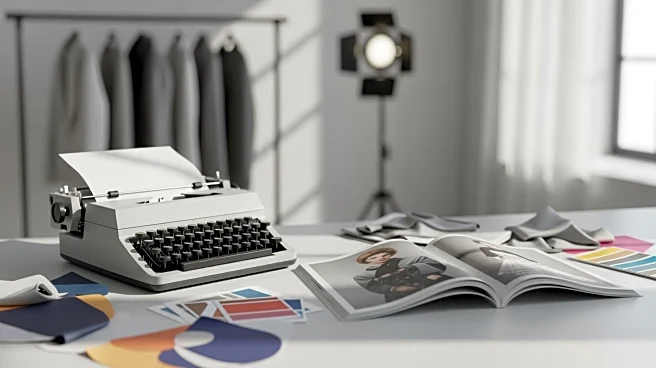

A lookbook is a collection of photographs that showcases models, photographers, styles, stylists, or clothing lines. Over time, lookbooks have evolved from simple collections of images to dynamic fashion diaries that reflect current trends and styles. This article explores the historical development of lookbooks and their transformation in the fashion industry.
The Origins of Lookbooks
Lookbooks began as a straightforward way to display fashion collections. Initially, they
were used by designers and brands to present their latest offerings to potential buyers and fashion enthusiasts. These early lookbooks were often printed and distributed at fashion shows or sent directly to clients. They served as a visual catalog, allowing viewers to see the garments in a styled context.
As the fashion industry grew, so did the complexity of lookbooks. They became more than just a collection of images; they started to tell a story. Designers began to use lookbooks to convey the mood and theme of their collections, often incorporating artistic elements to enhance the presentation. This shift marked the beginning of lookbooks as a creative expression rather than just a marketing tool.
The Digital Transformation
With the advent of the internet, lookbooks underwent a significant transformation. The digital age allowed for the creation of online lookbooks, which could reach a global audience instantly. Fashion bloggers and vloggers embraced this format, using it to showcase their personal style and the latest trends. Online lookbooks became fashion diaries, updated regularly to reflect the ever-changing landscape of fashion.
This digital transformation also democratized fashion, allowing anyone with internet access to create and share their own lookbooks. Social media platforms like Instagram and Pinterest became popular venues for lookbook content, enabling users to curate their own fashion narratives. This shift empowered individuals to become influencers, shaping trends and styles through their personal lookbooks.
Lookbooks Today
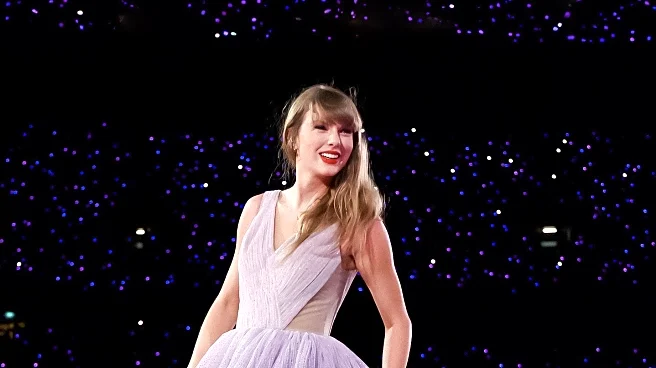
Today, lookbooks are an integral part of the fashion industry. They are used not only by designers and brands but also by celebrities, socialites, and even politicians to showcase their style. Lookbooks have become a form of self-expression, allowing individuals to communicate their fashion identity to the world.
In addition to fashion, lookbooks are now used in other creative fields, such as cinematography. Cinematographers use lookbooks to illustrate scene layouts, settings, and lighting, providing a visual reference for directors. This cross-disciplinary use of lookbooks highlights their versatility and enduring relevance.
As lookbooks continue to evolve, they remain a powerful tool for storytelling and creativity in the fashion industry. Their ability to adapt to new technologies and cultural shifts ensures that they will continue to play a vital role in fashion for years to come.