








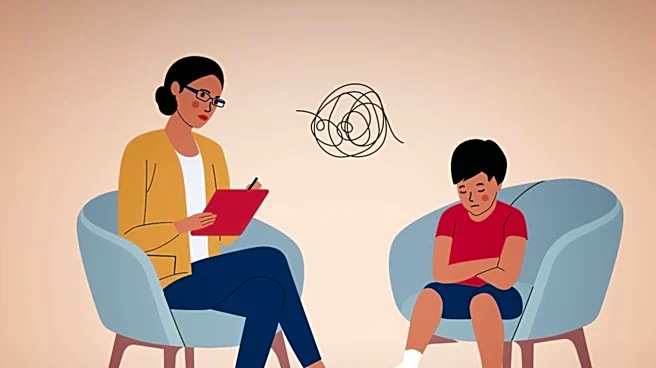

In the realm of education and psychology, the terms learning disabilities and learning disorders are often used interchangeably, yet they represent distinct concepts. Understanding the differences between these two can lead to better support and interventions for those affected. This article explores the nuances that separate learning disabilities from learning disorders.
Defining Learning Disabilities
Learning disabilities are officially recognized clinical diagnoses that involve
specific neurological conditions affecting information processing. These disabilities are characterized by difficulties in comprehending and processing information, which can be caused by various factors. Unlike learning disorders, learning disabilities require a professional diagnosis, often conducted by psychologists, psychiatrists, or speech-language pathologists.
The challenges associated with learning disabilities are not indicative of a lack of intelligence or ability to learn. Instead, they reflect a difference in how the brain processes information. This distinction is crucial in understanding that individuals with learning disabilities can still achieve success through alternative learning strategies and interventions.
Understanding Learning Disorders
Learning disorders, on the other hand, refer to significant learning problems in specific academic areas. These problems may include difficulties in reading, arithmetic, and writing, known as dyslexia, dyscalculia, and dysgraphia, respectively. While these disorders can impact academic performance, they do not always meet the criteria for a clinical diagnosis of a learning disability.
The key difference between learning disorders and learning disabilities lies in the degree, frequency, and intensity of symptoms. Learning disorders may involve inadequate development of academic, language, and speech skills, but they do not always warrant a clinical diagnosis. Understanding this distinction is essential for providing appropriate support and interventions for individuals affected by these conditions.
Implications for Support and Intervention
Recognizing the differences between learning disabilities and learning disorders is vital for developing effective support and intervention strategies. Individuals with learning disabilities often require tailored interventions that address their unique neurological challenges. These interventions may involve specialized teaching methods, assistive technologies, and support from a multidisciplinary team.
For those with learning disorders, support may focus on addressing specific academic challenges and developing strategies to improve performance in targeted areas. By understanding the distinct needs of individuals with learning disabilities and learning disorders, educators and caregivers can provide more effective support, ultimately fostering success and independence.