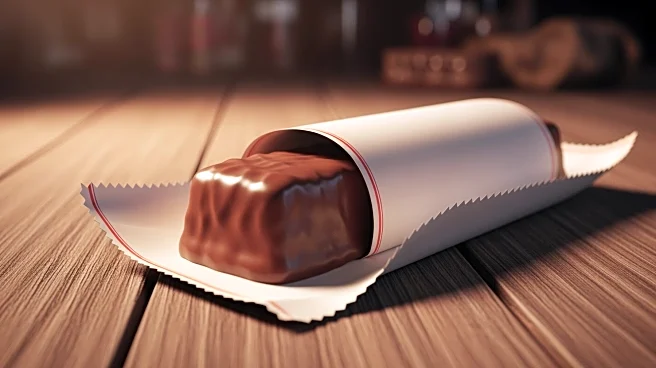




The Baby Ruth candy bar is a classic American confection that has delighted taste buds for over a century. Known for its combination of peanuts, caramel, and nougat, all covered in chocolate, this candy bar has a rich history that intertwines with American culture. From its creation in the early 20th century to its modern-day iterations, the Baby Ruth bar has undergone several transformations while maintaining its iconic status.
Origins and Early Success
The Baby Ruth candy
bar was introduced in 1920 by the Curtiss Candy Company. Originally, it was a rebranding of their earlier product, the Kandy Kake. The new name and formulation quickly captured the public's attention, making it the best-selling confection in the five-cent category by the late 1920s. The candy bar's success was largely due to its unique combination of flavors and textures, which set it apart from other sweets of the time.
The Curtiss Candy Company, based in Chicago, was strategic in its marketing efforts. The company claimed that the candy bar was named after Ruth Cleveland, the daughter of President Grover Cleveland, although this explanation was met with skepticism. Many believed the name was a clever way to capitalize on the fame of baseball legend Babe Ruth without having to pay him royalties. Despite the controversy, the Baby Ruth bar became a staple in American candy culture.
Changes in Ownership and Recipe
Over the years, the Baby Ruth candy bar changed hands several times. In 1981, the Curtiss Candy Company was purchased by Nabisco, and in 1990, RJR Nabisco sold the brand to Nestlé. Most recently, in 2018, Ferrero acquired Nestlé USA's confectionery brands, including Baby Ruth, and integrated them into the Ferrara Candy Company.
With each change in ownership, the Baby Ruth bar saw slight modifications to its recipe. In December 2019, Ferrara relaunched the candy bar with a new recipe that included dry-roasted peanuts grown in the United States, replacing the previous oil-roasted peanuts. Additionally, the company removed the food preservative TBHQ, aligning with modern consumer preferences for cleaner ingredients.
Cultural Impact and Marketing
The Baby Ruth candy bar has been a part of American pop culture for decades. Its marketing campaigns have often played on its supposed connection to Babe Ruth, despite the official denial of this link. In the 1920s, the company founder Otto Schnering famously promoted the candy by dropping thousands of Baby Ruth bars with miniature parachutes over cities across the United States.
The candy bar has also made appearances in various forms of media, further cementing its place in American culture. Notably, it was featured in the 1985 film "The Goonies," where it played a memorable role in a scene with the character Sloth. Such appearances have helped maintain the candy bar's popularity and relevance over the years.
Today, the Baby Ruth candy bar continues to be enjoyed by people of all ages, a testament to its enduring appeal and the successful evolution of its brand over the past century.