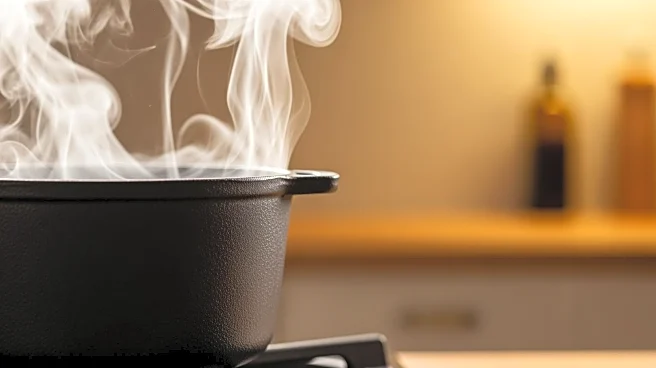




Simmering is a fundamental cooking technique that plays a crucial role in the preparation of many dishes. It involves cooking food in hot liquids kept just below the boiling point, offering a gentle yet effective way to cook a variety of foods. This method is particularly favored for its ability to cook food evenly without drying it out, making it ideal for delicate dishes like stews and sauces.
Understanding Simmering
Simmering is defined by its specific temperature range,
which is lower than boiling but higher than poaching. The liquid used in simmering is typically heated to just below 212°F (100°C), ensuring that the food is cooked thoroughly without the vigorous agitation that boiling causes. This gentle cooking process is achieved by first bringing the liquid to a boil and then reducing the heat to maintain a steady simmer. Visually, a simmering liquid will show slight movement, with small bubbles occasionally breaking the surface.
The technique of simmering is not only about temperature control but also about the choice of equipment. Many modern stoves come equipped with a simmer setting, and some gas ranges even have a dedicated simmer burner. These features help maintain the low, consistent heat required for simmering. Additionally, slow cookers are often used to achieve a similar effect, allowing foods to cook at a simmering temperature for extended periods.
Benefits of Simmering
One of the primary benefits of simmering is its ability to cook food evenly. Because the food is surrounded by liquid at a constant temperature, it cooks uniformly, which is particularly important for dishes that require long cooking times, such as stews and soups. Simmering also helps to tenderize tougher cuts of meat, breaking down connective tissues and infusing the meat with flavor from the cooking liquid.
Simmering is also a versatile technique that can be adapted to various cuisines and dishes. For instance, in Japanese cuisine, simmering is one of the four essential cooking techniques, alongside grilling, steaming, and deep frying. This method is used to prepare a wide range of dishes, from delicate broths to hearty stews.
Simmering in Different Cuisines
Simmering is a technique that transcends cultural boundaries, finding a place in many international cuisines. In Persian cuisine, for example, simmering is a popular method for preparing khoresh, a type of stew that is cooked for several hours to develop rich flavors. Similarly, in Dutch and Flemish cuisine, less tender cuts of beef are simmered for hours to create carbonade flamande, a traditional beef stew.
In Jewish cuisine, simmering plays a vital role in the preparation of Shabbat stews. Due to religious laws prohibiting cooking on the Sabbath, these stews are brought to a boil before the Sabbath begins and then left to simmer overnight. This method allows the flavors to meld together, resulting in dishes like cholent and hamin, which are enjoyed by Jewish communities around the world.
Simmering is a versatile and essential cooking technique that enhances the flavors and textures of many dishes. By understanding the principles of simmering, cooks can create delicious meals that are both flavorful and tender.