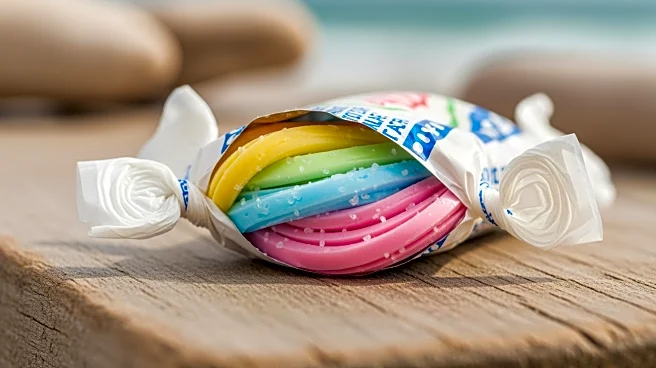



Salt water taffy is a beloved candy that has been enjoyed by many for over a century. Originating in Atlantic City, New Jersey, this soft and chewy treat has a fascinating history that dates back to the late 19th century. Despite its name, salt water taffy does not contain seawater, but rather a combination of sugar, corn syrup, and flavorings. Over the years, the candy has evolved in terms of production methods and flavors, becoming a staple at boardwalks
and beaches across the United States and Canada.
Early Beginnings
Salt water taffy was first produced and marketed in the Atlantic City area of the Jersey Shore in the 1880s. The name likely originated from a local incident where seawater flooded a candy store, leading to the creation of the name as a marketing gimmick. Joseph Fralinger, a key figure in the candy's history, popularized salt water taffy by boxing it and selling it as a souvenir. His efforts helped establish the candy as a must-have treat for visitors to Atlantic City.
The candy's production involved pulling and stretching a sticky mass of boiled sugar, butter, and flavorings until it became aerated, resulting in a light and chewy texture. This process was initially done manually, but over time, mechanization improved efficiency and consistency. Fralinger's competitor, Enoch James, refined the recipe to make it less sticky and easier to unwrap, further enhancing its appeal.
Expansion and Popularity
As the candy gained popularity, it spread beyond Atlantic City to other beach destinations like Cape Cod and Ocean City. It also found a market in Atlantic Canada and Salt Lake City, Utah. The candy's appeal was not limited to its taste; it became a symbol of summer vacations and seaside fun. The colorful, pastel-wrapped pieces were often sold in souvenir boxes, making them a perfect gift to bring home.
The variety of flavors expanded significantly over the years. Originally, salt water taffy was available in basic flavors like molasses, chocolate, and vanilla. Today, it comes in a wide array of flavors, including fruit, mint, and even more exotic options like watermelon and red licorice. This diversity has helped maintain its popularity across generations.
Modern Production and Legacy
Today, salt water taffy is produced using modern techniques that ensure consistency and quality. The candy is made primarily from corn syrup, glycerin, and butter, with the pulling process still being a crucial step in achieving the desired texture. Despite technological advancements, the essence of salt water taffy remains the same, capturing the nostalgic charm of its origins.
Salt water taffy continues to be a staple at boardwalks and beachside shops, with some establishments dating back to the 19th century still in operation. Its enduring popularity is a testament to its unique taste and the fond memories it evokes. As a quintessential American candy, salt water taffy represents more than just a sweet treat; it embodies the spirit of summer and the joy of seaside adventures.