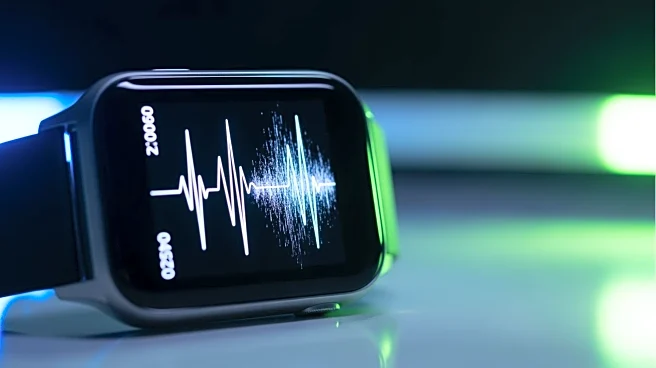

Pedometers have come a long way since their inception, evolving from simple mechanical devices to sophisticated digital tools. This article explores the historical development of pedometers, highlighting
key milestones and technological advancements that have shaped their evolution.
Early Beginnings
The concept of a pedometer dates back to the ideas of Leonardo da Vinci, who envisioned a mechanical device for military applications. The first known pedometer was created in Southern Germany around 1590, showcasing the early interest in measuring steps. This historical pedometer was a mechanical device, relying on simple mechanisms to count steps.
In 1780, Abraham-Louis Perrelet of Switzerland developed a pedometer that measured steps and distance while walking. This innovation was based on a mechanism he had created earlier to power a self-winding watch. The pedometer was introduced to the United States by Thomas Jefferson, although it is unclear if he modified the design.
Technological Advancements
The pedometer saw significant advancements in the 20th century, particularly with the introduction of electronic components. In 1963, the manpokei, or "ten-thousand step-meter," was developed in Japan, marking a pivotal moment in pedometer history. This device was part of a campaign to encourage physical activity, leading to the widespread adoption of the 10,000 steps per day goal.
Modern pedometers have evolved to include electronic sensors and software that automatically adjust for step length. These devices can now measure distance traveled using GPS technology, providing more accurate data for users. The integration of MEMS inertial sensors has further improved the accuracy of step counting, reducing false positives and enhancing user experience.
Integration into Consumer Electronics
Today, pedometers are integrated into a variety of consumer electronic devices, including smartphones, watches, and music players. Apple products, such as the iPhone and Apple Watch, feature advanced motion coprocessors that track steps and other fitness metrics. Similarly, Fitbit devices offer comprehensive fitness tracking, including step counting, distance traveled, and calories burned.
The integration of pedometers into everyday devices has made it easier for individuals to monitor their physical activity and set fitness goals. This widespread availability has contributed to the popularity of pedometers as tools for promoting a healthy lifestyle.
The evolution of pedometers reflects the broader trend of technological innovation in personal health and fitness devices. From mechanical origins to digital integration, pedometers continue to play a crucial role in encouraging physical activity and supporting health-conscious individuals.