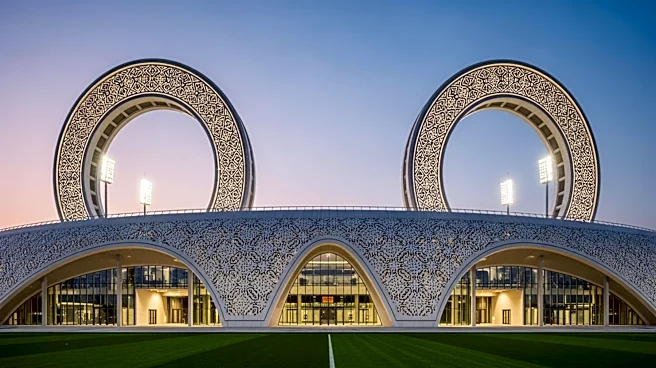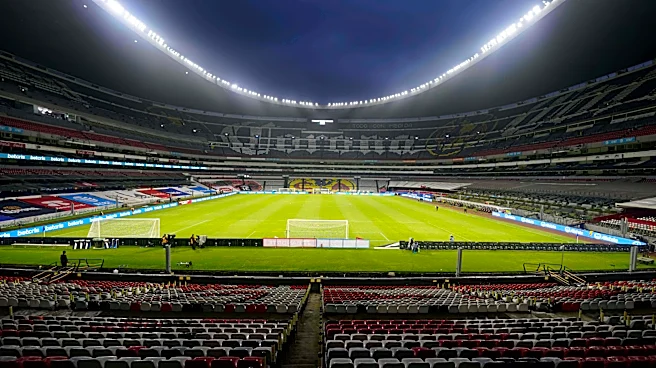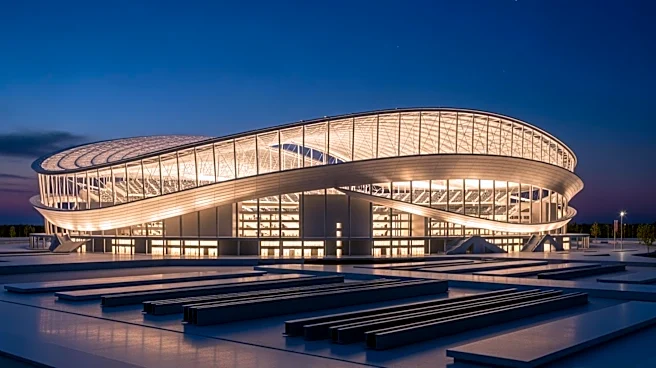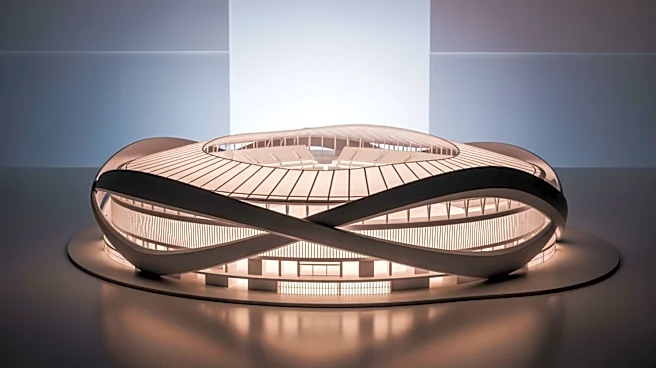









Ahmad bin Ali Stadium, also known as Al Rayyan Stadium, has undergone significant transformations since its inception. Located in Al Rayyan, Qatar, this stadium has been a central hub for football events and has seen various phases of development. From its original construction to its current state, the stadium's evolution reflects Qatar's growing prominence in the world of sports.
The Original Stadium
The original Ahmad bin Ali Stadium was built in 2003 with a seating
capacity of 21,282. It was named after Ahmad bin Ali Al Thani, the Emir of Qatar from 1960 to 1972. This stadium served as a key venue for local football matches and was home to the Al-Rayyan Sports Club. Situated about 20 kilometers west of Doha, it was strategically placed to serve the local community and sports enthusiasts.
In its early years, the stadium hosted several important events, including matches during the 2006 Asian Games. It was a multi-purpose venue that catered to various sports, including baseball, hockey, and volleyball. However, as Qatar's ambitions grew, so did the need for a more modern and larger facility.
Demolition and Reconstruction
In 2015, the original stadium was demolished to make way for a new, state-of-the-art facility. The decision to rebuild was part of Qatar's broader strategy to host the 2022 FIFA World Cup. The demolition process was notable for its sustainability efforts, with 90 percent of the rubble being reused for the new stadium or public art projects.
Construction of the new stadium began in early 2016, led by a joint venture between Al-Balagh and Larsen & Toubro. The new Ahmad bin Ali Stadium was designed to meet international standards, with a seating capacity increased to 45,032. This expansion was crucial for accommodating the influx of international visitors expected for the World Cup.
A Modern Sporting Venue
The new Ahmad bin Ali Stadium officially opened on December 18, 2020, coinciding with Qatar's National Day. This date was symbolic, marking exactly two years before the country would host the World Cup final. The stadium's design includes a massive media facade, which serves as a screen for projections, news, and sports updates.
The stadium has since hosted numerous events, including the 2020 FIFA Club World Cup and the FIFA Arab Cup 2021. It was one of the eight venues for the 2022 FIFA World Cup, hosting seven matches. Post-World Cup, the stadium's capacity is set to be reduced to 21,000 seats, ensuring its continued use for local events while maintaining its status as a world-class facility.
Ahmad bin Ali Stadium's journey from its original construction to its current form is a testament to Qatar's commitment to sports and sustainability. It stands as a symbol of the country's dedication to hosting international events and providing top-notch facilities for athletes and fans alike.