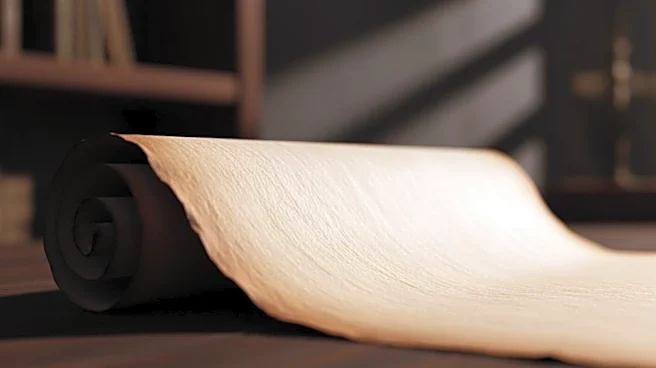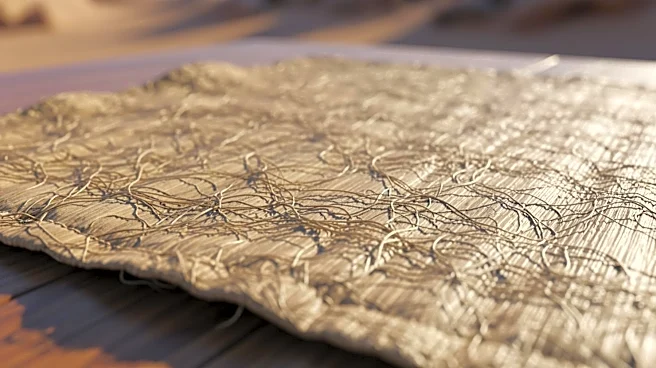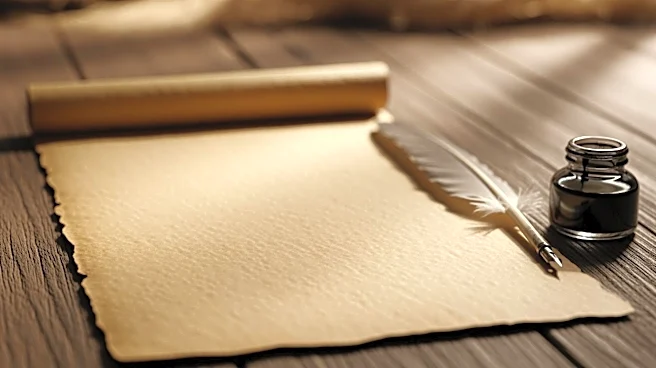

Vellum, a high-quality writing material, has been a significant part of human history, especially in the realm of documentation and art. Made from animal skin, typically calfskin, vellum is often distinguished
from parchment by its superior quality. This article delves into the intricate process of creating vellum and its historical importance as a medium for writing and art.
The Process of Making Vellum
The creation of vellum is a meticulous process that begins with selecting the right animal skin. Typically, calfskin is preferred due to its fine texture and durability. The skin undergoes a series of treatments to prepare it for use as a writing surface. Initially, the skin is cleaned and soaked in a lime solution to remove hair and other impurities. This step is crucial as it ensures the smoothness of the final product.
Once cleaned, the skin is stretched on a frame, known as a herse, to dry. This stretching process is essential as it helps to create the tension needed for a smooth writing surface. The skin is then scraped with a crescent-shaped knife called a lunellum. This tool is used to remove any remaining hair and to thin the skin to the desired thickness. The final steps involve cleaning the surface with pumice and treating it with lime or chalk to enhance its writing properties.
Historical Uses of Vellum
Vellum has been used for centuries as a preferred medium for important documents and artistic works. Its durability and smooth surface made it ideal for manuscripts, especially during the medieval period. Many illuminated manuscripts, which are highly decorated and illustrated texts, were created on vellum. These manuscripts are treasured for their beauty and historical significance.
In addition to manuscripts, vellum was also used for legal documents and religious texts. The Magna Carta, one of the most famous legal documents in history, was written on vellum. This choice of material ensured its preservation over the centuries, allowing it to be studied and admired today.
Vellum in Art and Modern Usage
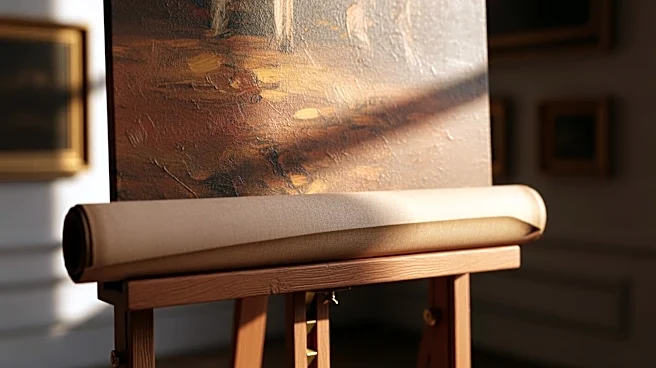
Beyond its use in writing, vellum has played a significant role in the art world. Before the widespread use of canvas, artists often used vellum for paintings, especially those that needed to be transported over long distances. Its smooth surface was ideal for detailed work, making it a favorite among artists for drawings and watercolors.
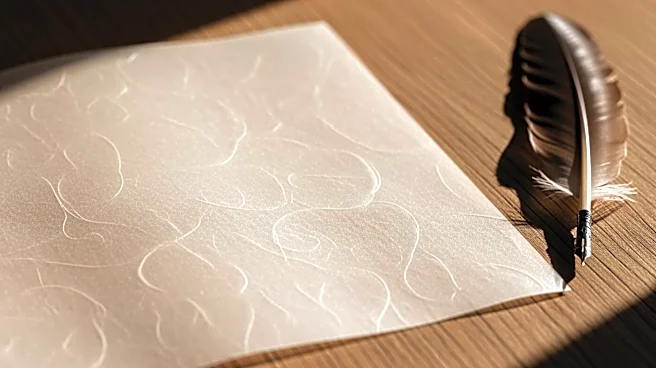
Today, while the use of traditional vellum has declined due to the availability of cheaper alternatives, it remains a valued material for certain applications. Modern vellum paper, made from plant cellulose fibers, mimics the qualities of traditional vellum and is used in art and design for its high quality and aesthetic appeal. Despite technological advancements, the legacy of vellum continues to influence the world of writing and art.