
The Video Assistant Referee (VAR) system has revolutionized the way decisions are made in soccer matches. By providing referees with video footage to review critical incidents, VAR aims to enhance the accuracy
and fairness of the game. This article delves into the operational aspects of VAR and its influence on decision-making in soccer.
How VAR Works
VAR is designed to assist referees in making more informed decisions by reviewing video footage of specific incidents during a match. The system focuses on three main categories: goals, penalties, and red/yellow card decisions. For instance, VAR can determine whether a goal was valid, if a penalty should be awarded, or if a red card is warranted for violent conduct.
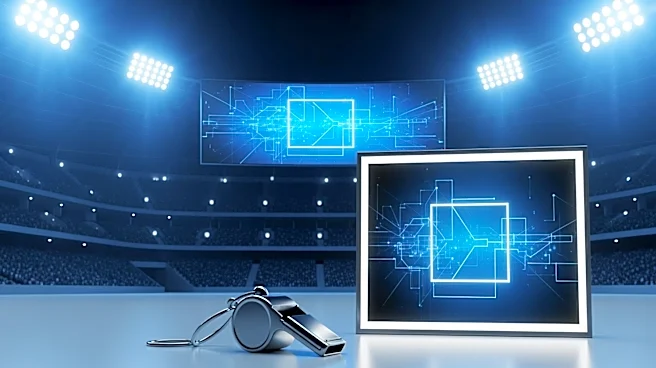
The process begins when the on-field referee signals for a review by outlining a square with their hands, mimicking a TV screen. The referee can then consult the VAR team, who analyze the footage and provide recommendations. Alternatively, the referee may choose to review the footage themselves at the VAR box. This collaborative approach aims to ensure that the final decision is as accurate as possible.
Impact on Decision-Making
The introduction of VAR has significantly impacted decision-making in soccer. By providing referees with additional information, VAR reduces the likelihood of human error and ensures that critical decisions are based on clear evidence. This has led to more accurate outcomes in matches, particularly in high-stakes situations such as penalty calls and goal disputes.
However, the system is not without its challenges. One of the main criticisms is the time taken for reviews, which can disrupt the flow of the game. While the goal is to make decisions quickly, the need for thorough analysis can lead to delays. This has sparked debates about the balance between accuracy and maintaining the game's pace.
Ongoing Debates and Future Prospects
Despite its benefits, VAR continues to be a topic of debate among players, coaches, and fans. Some argue that the system's reliance on video footage can lead to over-reliance, causing confusion and frustration. Others believe that VAR has improved the fairness of the game by reducing controversial decisions.
Looking ahead, the future of VAR in soccer will likely involve ongoing refinements to address these challenges. As technology advances, the system may become more efficient, minimizing disruptions while maintaining accuracy. Ultimately, the goal is to enhance the integrity of the sport, ensuring that decisions are fair and transparent.
In conclusion, VAR has transformed decision-making in soccer by providing referees with valuable tools to make informed judgments. While it has its critics, the system's impact on the game is undeniable, and its continued evolution will shape the future of soccer officiating.