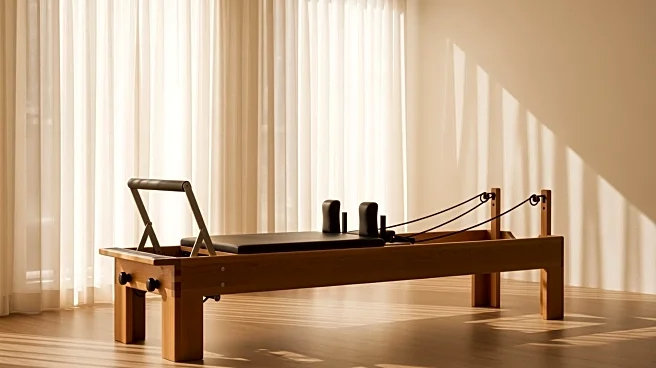




Pilates, a popular mind-body exercise system, has a rich history that dates back to the early 20th century. Developed by Joseph Pilates, this method was initially called "Contrology" and has evolved significantly over the years. Today, it is practiced by millions worldwide, focusing on core strength, flexibility, and overall physical fitness. This article delves into the historical journey of Pilates, from its origins to its current global presence.
Early Beginnings
Joseph Pilates was born in 1883 in Mönchengladbach, Germany. As a child, he suffered from various ailments, including asthma and rickets, which motivated him to improve his physical health. His father, a gymnast, and his mother, a naturopath, influenced his early interest in physical fitness. Joseph Pilates explored various physical training regimens available in Germany, including gymnastics and martial arts, which laid the foundation for his future work.
During World War I, Pilates was interned at Knockaloe Internment Camp on the Isle of Man. It was here that he began developing his exercise system, which he believed could strengthen both the mind and body. He worked with fellow internees, using minimal equipment to create exercises that emphasized control and precision. This period was crucial in shaping what would later become known as Pilates.
The Birth of Contrology
After the war, Joseph Pilates returned to Germany, where he continued to refine his method. He collaborated with experts in dance and physical exercise, further developing his system. In the 1920s, Pilates immigrated to the United States, where he opened a studio in New York City with his wife, Clara. The studio quickly gained popularity among dancers and performers, who appreciated the method's focus on core strength and flexibility.
Joseph Pilates published two books, "Your Health" in 1934 and "Return to Life Through Contrology" in 1945, which outlined his philosophy and exercises. His method emphasized the importance of breath, alignment, and core stability, principles that remain central to Pilates today.
Modern Evolution
Over the years, Pilates has evolved and diversified. While the core principles remain, various styles and adaptations have emerged. Some instructors have incorporated modern exercise science and equipment, leading to variations like Stott Pilates. Despite these changes, the essence of Pilates as a mind-body exercise system focused on core strength and flexibility endures.
Today, Pilates is practiced by over 12 million people worldwide. It is recognized for its benefits in improving balance, muscle conditioning, and overall physical fitness. While its effectiveness as a treatment for specific medical conditions remains debated, its popularity continues to grow, cementing its place in the world of physical fitness.