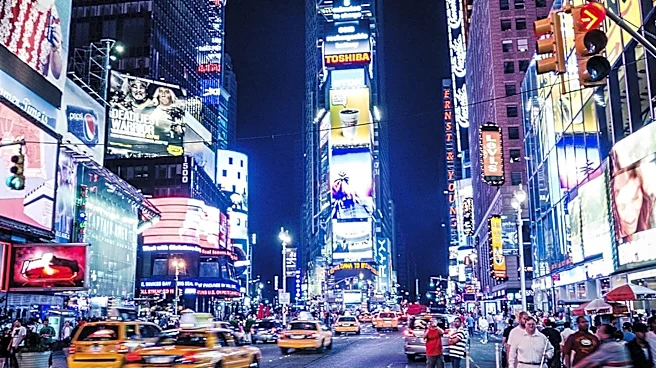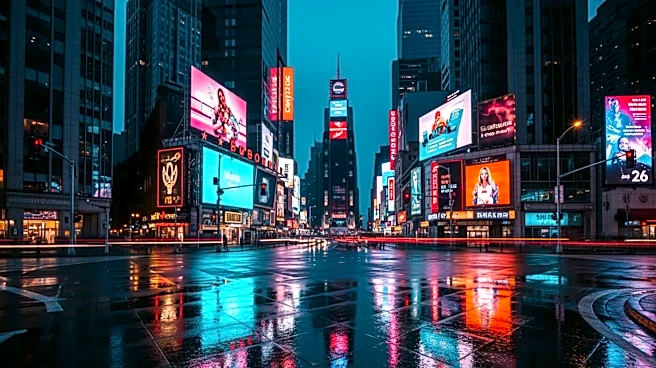






Times Square, one of the most iconic locations in New York City, has undergone a remarkable transformation over the years. Originally known as Longacre Square, it was renamed in 1904 when The New York Times moved its headquarters there. This change marked the beginning of Times Square's evolution into a bustling commercial and entertainment district. The area, once nicknamed the Thieves' Lair due to its reputation, has become a symbol of New York's
vibrant culture and economy.
The Birth of Times Square
In 1904, the New York Times publisher Adolph S. Ochs relocated the newspaper's operations to a new skyscraper on 42nd Street, on the site of the former Pabst Hotel. This move was pivotal in the renaming of Longacre Square to Times Square. Ochs persuaded Mayor George B. McClellan Jr. to construct a subway station there, further cementing the area's importance. Just weeks after the renaming, the first electrified advertisement appeared, signaling the start of Times Square's transformation into a commercial hub.
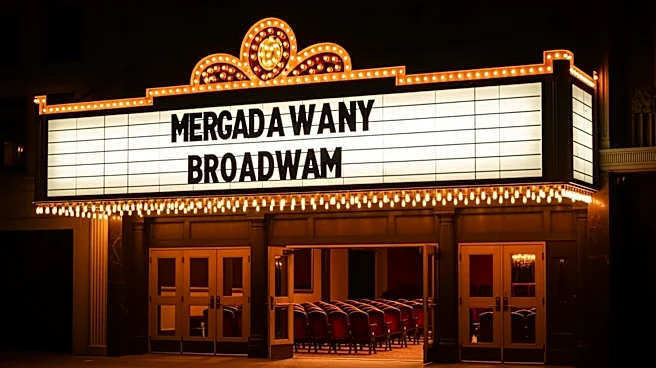
The area quickly became a center for entertainment, with theaters and other attractions drawing crowds. The first theater on the square, the Olympia, was built by Oscar Hammerstein I, a cigar manufacturer and impresario. By the early 1890s, the stretch of Broadway was ablaze with electric lights and thronged by middle- and upper-class patrons, setting the stage for Times Square's future as a major entertainment district.
Times Square's Cultural Impact
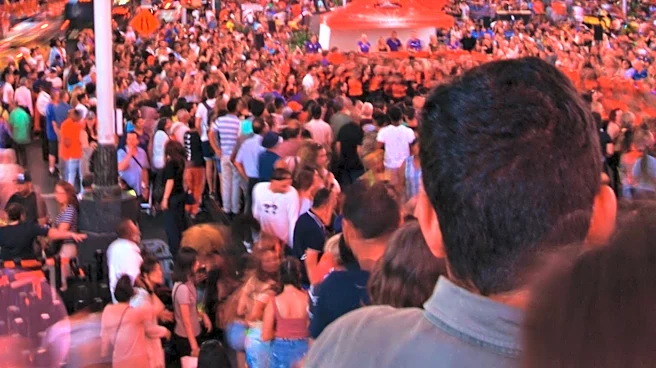
As Times Square grew, it became a cultural hub full of theaters, music halls, and upscale hotels. It was a place where people gathered to celebrate major events, from World Series victories to presidential elections. The area's reputation as a gathering place for celebrations was solidified with the introduction of the New Year's Eve ball drop in 1907, an event that continues to draw millions of visitors each year.
Advertising in Times Square also grew significantly, with companies spending millions on electric signs to capture the attention of passersby. This advertising boom contributed to the area's vibrant atmosphere and helped establish Times Square as a symbol of New York City's commercial prowess.
Challenges and Revitalization
Despite its success, Times Square faced challenges, particularly during the Great Depression and subsequent decades. The area became known for crime and corruption, with gambling and prostitution becoming prevalent. However, efforts to clean up Times Square in the mid-1990s led to a revitalization, transforming it into a safer and more tourist-friendly destination.
Today, Times Square is a major commercial intersection, tourist destination, and entertainment hub, drawing millions of visitors annually. Its transformation from Longacre Square to the iconic landmark it is today reflects the dynamic nature of New York City and its ability to adapt and thrive through changing times.