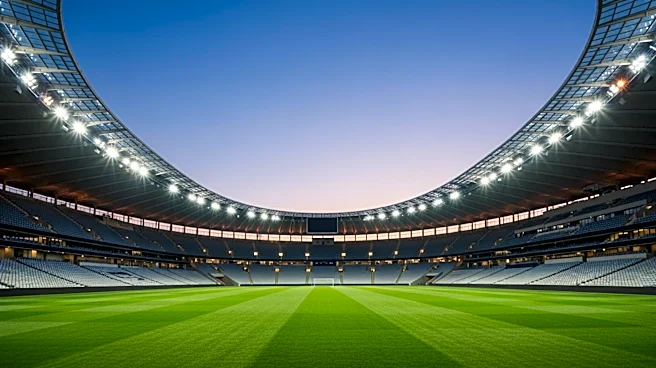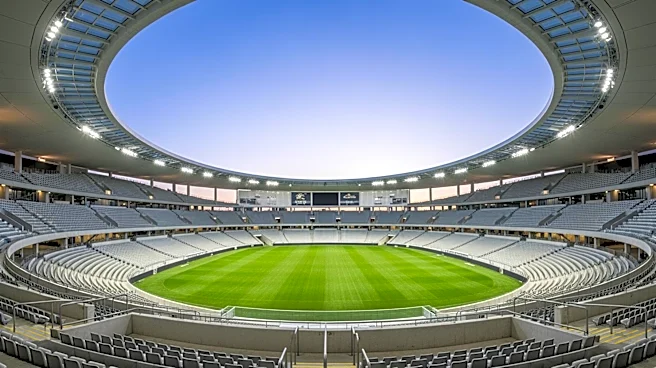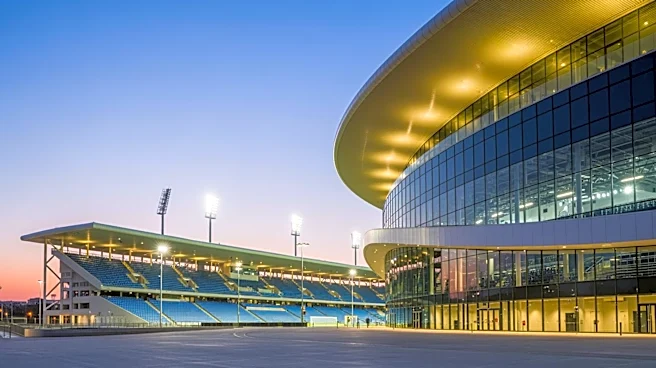

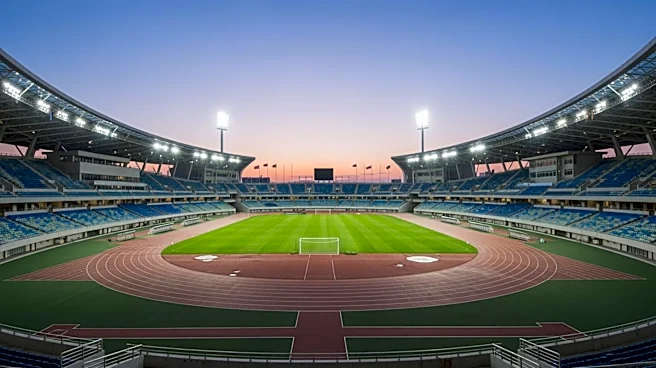
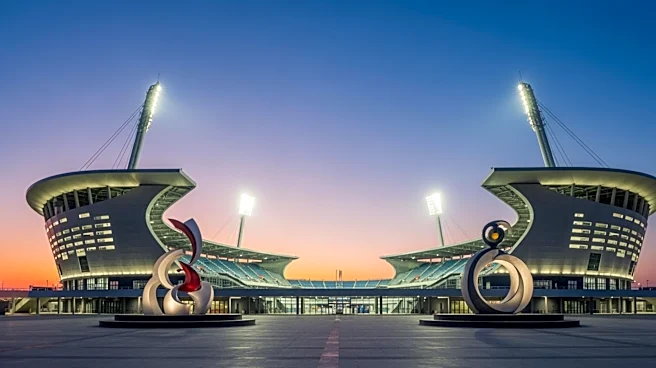

Ullevi Stadium in Gothenburg, Sweden, is renowned for its versatility as a venue for both sports and entertainment. Since its opening in 1958, Ullevi has hosted a wide array of events, from international sports competitions to concerts by world-famous artists. This article explores Ullevi's role as a central hub for diverse activities, highlighting its impact on the local and international scene.
Sports at Ullevi Stadium
Ullevi Stadium was originally built for the 1958 FIFA
World Cup, serving as a key venue for several matches, including quarter-finals and semi-finals. Over the years, it has hosted numerous prestigious sports events, such as the World Allround Speed Skating Championships and the European Athletics Championships. The stadium's capacity of 43,000 for sports events makes it one of the largest in the Nordic countries, attracting athletes and spectators from around the world.
Football has been a significant part of Ullevi's history, with the stadium hosting UEFA Cup finals and the UEFA Euro 1992 final. It also witnessed the first game between National Football League teams played on European soil, organized by Volvo in 1988. Ullevi's ability to accommodate various sports, including ice hockey, boxing, and racing, underscores its versatility and importance as a sports venue.
Entertainment and Concerts
Beyond sports, Ullevi Stadium has gained fame as a premier concert venue. Its capacity of 75,000 for concerts allows it to host large-scale performances by international artists. The stadium has seen legendary acts such as Bruce Springsteen, whose 1985 concert nearly caused structural damage due to the audience's rhythmic movement. This incident led to safety enhancements, ensuring Ullevi could continue hosting major concerts.
Artists like Pink Floyd, Michael Jackson, Elton John, and U2 have graced Ullevi's stage, drawing massive crowds and contributing to Gothenburg's cultural vibrancy. The stadium's location in the city's event district, Evenemangsstråket, makes it a focal point for entertainment, with nearby attractions like Scandinavium and Liseberg enhancing the visitor experience.
Accessibility and Infrastructure
Ullevi Stadium's strategic location on the eastern edge of Gothenburg's city center ensures easy access for visitors. Public transport options, including tram stops named after the stadium, facilitate convenient travel to and from events. The stadium also offers ample parking facilities, with 650 spaces in a garage beneath the pitch and additional parking nearby.
The integration of sustainable practices, such as the installation of solar panels, reflects Ullevi's commitment to environmental responsibility. As a venue that hosts both sports and entertainment, Ullevi Stadium continues to play a vital role in Gothenburg's cultural and social landscape, attracting visitors from near and far.