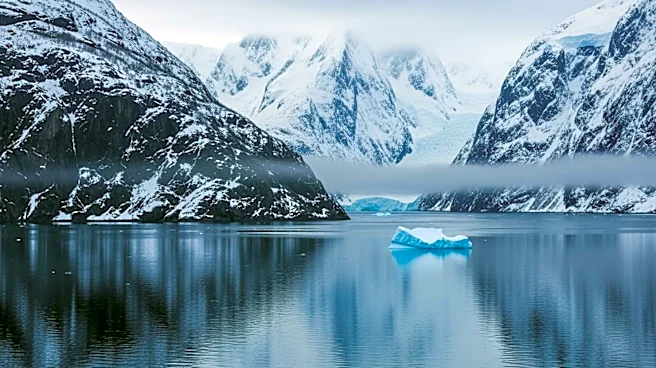
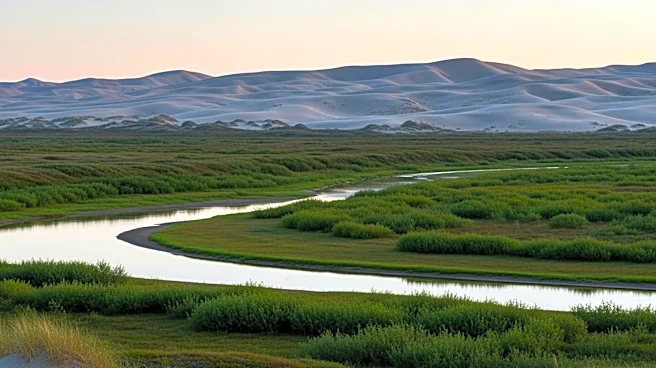
Kenai Fjords National Park, located in southern Alaska, is a breathtaking expanse of natural beauty. Established in 1980, the park is renowned for its stunning landscapes, including the vast Harding Icefield and numerous glaciers that flow into the North Pacific Ocean. This article delves into the park's geographical features, highlighting its unique natural wonders.
The Harding Icefield
The Harding Icefield is one of the most significant features of Kenai Fjords National Park. Covering an area of 777 square kilometers, it is the largest icefield in the United States. The icefield is a remnant of the last Ice Age, having formed approximately 23,000 years ago. It receives an impressive 18 meters of snowfall annually, contributing to its massive size. Over 30 glaciers originate from the Harding Icefield, with the Bear Glacier being the largest among them. Despite its grandeur, the icefield has been receding, losing about 3% of its mass over a 16-year period.
Glaciers and Coastal Landscapes
Kenai Fjords National Park is home to numerous glaciers, each contributing to the park's dramatic coastal landscapes. The Exit Glacier is particularly notable as it is the only glacier accessible by road, making it a popular destination for visitors. The park's coastline stretches for 992 kilometers, offering stunning views of glaciers meeting the ocean. The park's landscape has been shaped by tectonic activity, with the Pacific Plate subducting beneath the North American Plate, creating the rugged terrain that defines the region.
Wildlife and Ecosystems
The diverse ecosystems of Kenai Fjords National Park support a wide range of wildlife. The park is home to large mammals such as grizzly bears, black bears, moose, and mountain goats. Marine mammals, including sea otters, seals, and Steller sea lions, thrive in the coastal waters. The park's waters are also frequented by various whale species, including orcas, fin whales, humpback whales, and minke whales. Bird enthusiasts can spot species like the bald eagle and various types of puffins, making the park a haven for wildlife observation.