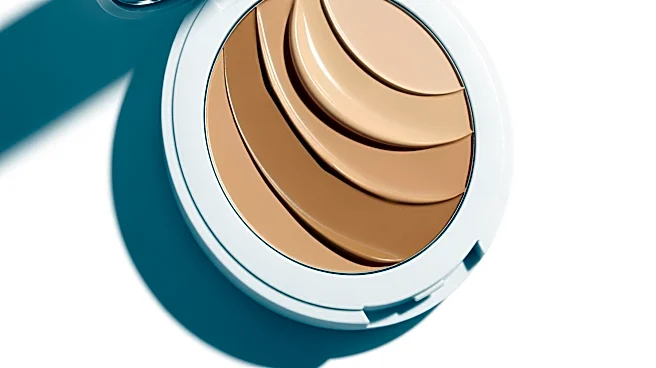

Foundation cosmetics have played a significant role in beauty rituals across cultures and eras. From ancient times to the present day, the use of foundation has been influenced by cultural norms, social
status, and technological advancements. This article delves into the cultural and social significance of foundation cosmetics throughout history.
Cultural Significance in Ancient Times
In ancient civilizations, cosmetics were not merely about beauty; they held cultural and social significance. The Egyptians, for instance, used foundation as part of their elaborate beauty rituals. It was not just about enhancing appearance but also about adhering to cultural norms and practices.
In ancient Greece and Rome, a pale complexion was highly coveted, symbolizing wealth and status. Women used white lead powder and chalk to achieve this look, despite the health risks. The use of foundation was a reflection of societal values, where a fair complexion was associated with a life of leisure and privilege.
Social Status and Beauty Standards
Throughout the Middle Ages and Renaissance, the use of foundation continued to be linked to social status. Pale skin remained a symbol of affluence, as it indicated a life spent indoors, away from the laborious work of the fields. Women went to great lengths to maintain this appearance, even resorting to dangerous practices like bleeding themselves.
During the Elizabethan era, the use of ceruse, a mixture of vinegar and white lead, became widespread. This period also saw the use of egg whites to create a shiny complexion. Theatrical actors in the 18th century further popularized the use of heavy white base makeup, highlighting the intersection of beauty and performance.
Modern Beauty and Inclusivity
The modern era of foundation cosmetics has seen a shift towards inclusivity and diversity. With the invention of products like Max Factor's Pan-Cake, foundation became more accessible to the general public. This product offered a lightweight and natural look, appealing to a broader audience.
Today, foundation comes in a wide range of shades to match different skin tones, reflecting a more inclusive approach to beauty. Brands like Fenty Beauty have expanded shade ranges, catering to a diverse clientele. The evolution of foundation cosmetics mirrors broader societal changes, where beauty standards are increasingly embracing diversity and individuality.
Foundation cosmetics have come a long way from their ancient origins. They continue to play a crucial role in beauty rituals, reflecting cultural values and societal norms. As the industry evolves, foundation remains a testament to the enduring human desire for self-expression and beauty.