
The National Association for Stock Car Auto Racing (NASCAR) stands as one of the most prominent motorsports organizations in the world. Founded in 1948 by Bill France Sr., NASCAR has grown from its humble
beginnings into a major force in auto racing, with a rich history and a significant impact on the sport. This article explores the founding of NASCAR, its development over the years, and its role in shaping stock car racing.
The Origins of NASCAR
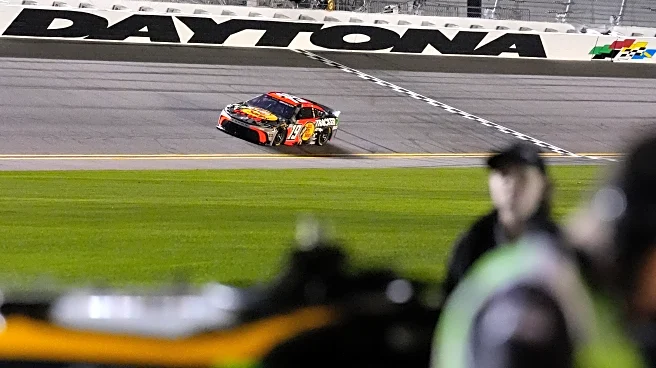
NASCAR was established in February 1948 by Bill France Sr., a race car driver who saw the potential for a unified series of racing competitors. France had moved to Daytona Beach, Florida, in 1935, where he began organizing races. He recognized the need for a structured organization to manage the sport and protect drivers from unscrupulous promoters.
On December 14, 1947, France convened a meeting at the Streamline Hotel in Daytona Beach with other influential racers and promoters. This meeting led to the formation of NASCAR, with the goal of creating a national championship stock car circuit. The organization was officially founded on February 21, 1948, with plans for three distinct divisions: Modified, Roadster, and Strictly Stock.
Growth and Expansion
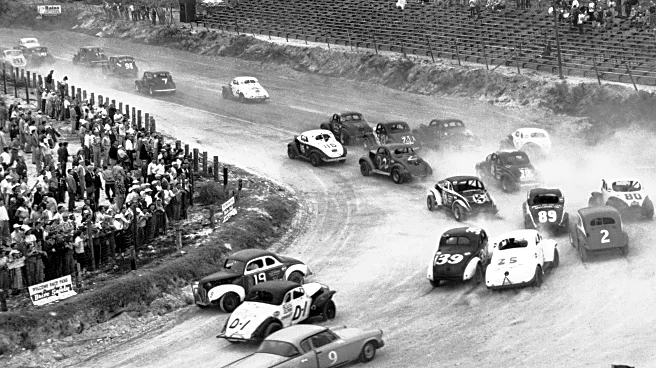
NASCAR quickly gained popularity, with its first "Strictly Stock" race held at Charlotte Speedway on June 19, 1949. The race was won by Jim Roper, marking the beginning of NASCAR's rise as a major motorsports entity. Over the years, NASCAR expanded its reach, sanctioning over 1,500 races annually at more than 100 tracks across the United States, Canada, Mexico, Brazil, and Europe.
The organization has evolved to include several national series, such as the NASCAR Cup Series, the O'Reilly Auto Parts Series, and the Craftsman Truck Series. These series have become proving grounds for drivers and manufacturers, with championships awarded based on a points system. The Cup Series, in particular, is the highest level of professional competition in NASCAR, attracting top talent and significant media attention.
Impact on Motorsports
NASCAR's influence extends beyond the racetrack, shaping the culture and business of motorsports. The organization has been instrumental in promoting stock car racing as a spectator sport, drawing large crowds and television audiences. NASCAR's partnerships with sponsors and media outlets have helped elevate the sport's profile and generate substantial revenue.
The organization's commitment to safety and innovation has also been noteworthy. NASCAR has implemented various safety measures over the years, including the use of the SAFER barrier and the HANS device, to protect drivers during races. These advancements have contributed to the sport's growth and popularity.
As NASCAR continues to evolve, it remains a cornerstone of stock car racing, with a legacy built on competition, innovation, and community. Its impact on the sport is undeniable, and its future promises continued excitement and development in the world of motorsports.