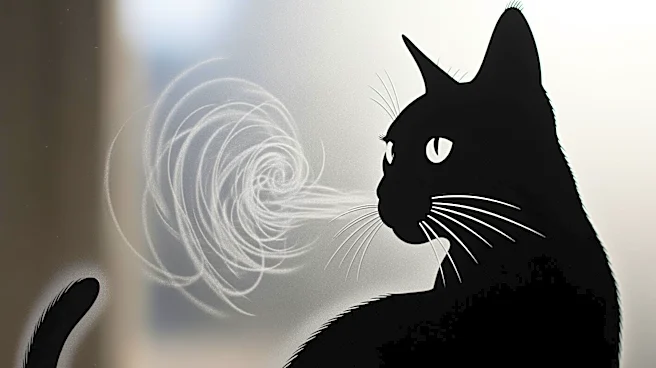







Cat spraying is a common issue faced by many pet owners, often leading to frustration and confusion. This behavior, primarily seen in intact male cats, is usually a form of territorial marking. While it can be reduced through various methods, persistent spraying may indicate underlying health issues that require veterinary attention. Understanding the causes and solutions for cat spraying can help pet owners manage this behavior effectively.
Causes of Cat Spraying
Cat spraying
is often linked to territorial instincts. Intact male cats are more prone to this behavior as they mark their territory to ward off other males and attract females. The presence of other cats in the vicinity can trigger spraying as a way to assert dominance and establish boundaries. This behavior is not limited to males; female cats may also spray, although it is less common.
Stress is another significant factor that can lead to spraying. Changes in the environment, such as moving to a new home or the introduction of new pets, can cause anxiety in cats, prompting them to spray as a coping mechanism. Cats are sensitive creatures, and even minor disruptions in their routine can lead to stress-induced spraying.
Solutions to Reduce Cat Spraying
Neutering is one of the most effective ways to reduce spraying in male cats. By decreasing hormone levels, neutering can significantly diminish the urge to mark territory. This procedure is recommended for pet owners who are not planning to breed their cats, as it not only helps with spraying but also contributes to overall health and longevity.
Maintaining a clean litter box is crucial in managing spraying behavior. Cats are particular about their hygiene, and a dirty litter box can lead to dissatisfaction, prompting them to spray elsewhere. Regular cleaning and ensuring the litter box is in a quiet, accessible location can help prevent spraying.
Additional Strategies for Managing Spraying
Synthetic pheromones can be a useful tool in managing cat spraying. These products mimic the natural pheromones that cats use to mark their territory, creating a calming effect that can reduce stress and the urge to spray. Pheromone diffusers or sprays can be placed in areas where spraying is frequent to help manage the behavior.
If spraying persists despite these measures, it may indicate a health issue such as a urinary tract infection or bladder stones. In such cases, consulting a veterinarian is essential to rule out medical problems and receive appropriate treatment. Addressing health concerns promptly can prevent further complications and ensure the well-being of the cat.
Understanding the causes and solutions for cat spraying can empower pet owners to manage this behavior effectively, ensuring a harmonious living environment for both cats and humans.