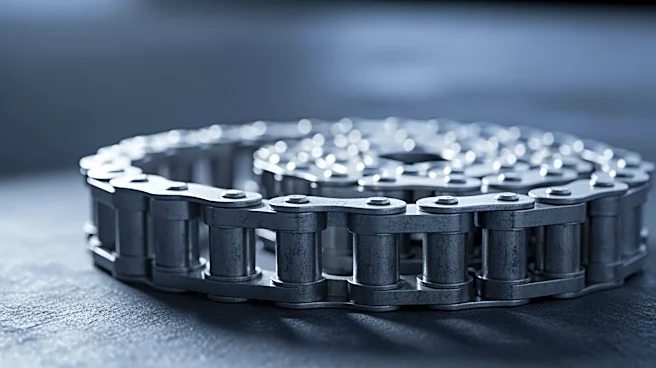

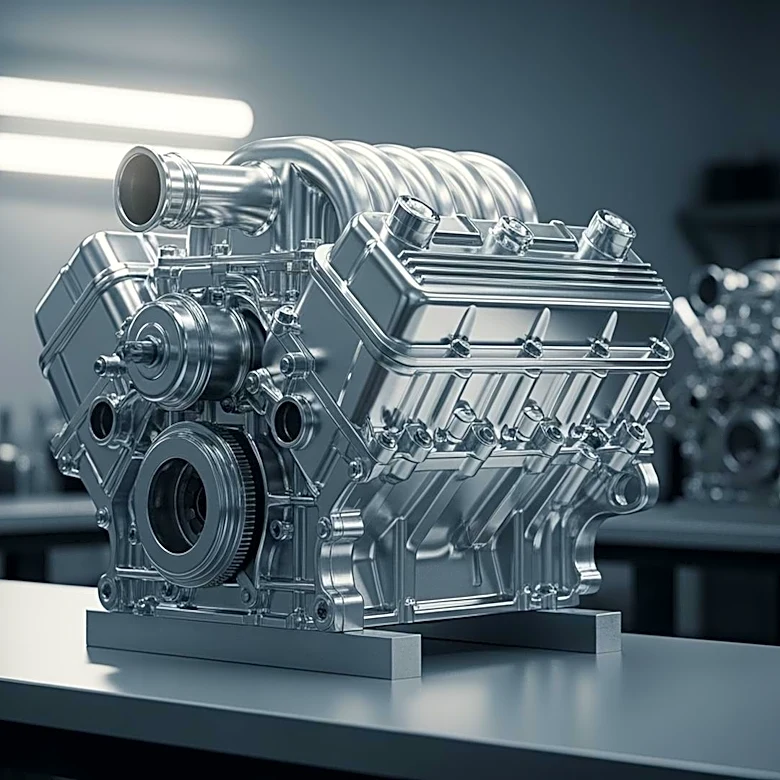


Timing chains are integral to the operation of an engine, ensuring that the camshaft and crankshaft are synchronized. However, like any mechanical component, they are not immune to failure. When a timing chain fails, it can lead to significant engine damage, making it crucial for vehicle owners to understand the causes and consequences of such failures.
Causes of Timing Chain Failures
Timing chain failures can occur for several reasons, with wear and tear being the most common. Over
time, the constant motion and high temperatures within the engine can cause the chain to stretch or wear out. This wear can lead to a loss of tension, causing the chain to skip or jump teeth on the sprockets, resulting in a misalignment of the camshaft and crankshaft.
Another common cause of timing chain failure is inadequate lubrication. The chain relies on engine oil to reduce friction and prevent excessive wear. If the oil is not changed regularly or if the engine runs low on oil, the chain can become dry and more susceptible to wear and damage. Additionally, a faulty tensioner, which is responsible for keeping the chain tight, can also lead to failure if it is not functioning correctly.
Consequences of Timing Chain Failures
The consequences of a timing chain failure can be severe. When the chain fails, the synchronization between the camshaft and crankshaft is lost, leading to a collision between the engine's pistons and valves. This collision can cause bent valves, damaged pistons, and even a cracked engine block, resulting in costly repairs or the need for a complete engine replacement.
In some cases, a failing timing chain can also lead to a sudden loss of power while driving, which can be dangerous, especially at high speeds. This loss of power occurs because the engine's timing is disrupted, preventing it from running smoothly. As a result, the vehicle may stall or fail to start altogether.
Preventing Timing Chain Failures
Preventing timing chain failures requires regular maintenance and attention to the engine's condition. Vehicle owners should ensure that the engine oil is changed at the recommended intervals and that the oil level is checked regularly. Additionally, listening for unusual noises, such as rattling or ticking from the engine, can help identify potential issues with the timing chain before they lead to failure.
In conclusion, while timing chains are durable and reliable, they are not immune to failure. Understanding the causes and consequences of timing chain failures can help vehicle owners take proactive steps to prevent them, ensuring the longevity and performance of their engines.