



Fur has long been associated with luxury and status in the world of fashion. From ancient civilizations to modern runways, fur has been a coveted material, symbolizing wealth and sophistication. This article explores the cultural significance of fur in fashion, tracing its journey from a practical necessity to a high-fashion statement.
Historical Significance of Fur in Fashion
Throughout history, fur has been more than just a material for warmth; it has been a symbol of power and prestige.
In ancient Egypt, fur was worn by royalty and high priests, signifying their elevated status. This trend continued in medieval Europe, where sumptuary laws restricted the wearing of certain furs to the aristocracy. Furs like ermine and marten were reserved for the elite, while the middle and lower classes wore more common furs.
The Renaissance period saw fur become an integral part of fashion, with fur linings and trims adorning the garments of the wealthy. As trade routes expanded, new types of fur entered the European market, further enhancing its allure. Fur became a staple in the wardrobes of the rich, a trend that persisted into the modern era.
Fur in Modern Fashion
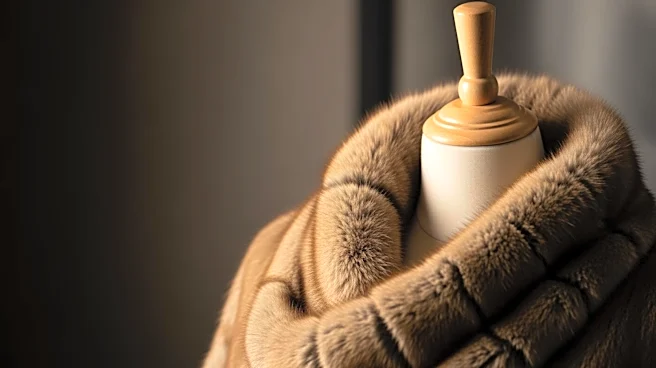
In the 19th and 20th centuries, fur reached new heights of popularity, with full fur coats becoming a symbol of elegance and luxury. Fashion houses embraced fur, incorporating it into their designs and showcasing it on runways. The allure of fur was not just in its warmth but in its association with glamour and sophistication.
However, the rise of synthetic textiles in the 20th century provided alternatives to fur, leading to a decline in its popularity. Despite this, fur remains a significant part of traditional clothing in various cultures, including the Inuit of the Arctic and communities in Russia and Scandinavia. In these regions, fur is valued for its superior insulation properties and cultural significance.
The Controversy Surrounding Fur
In recent years, the use of fur in fashion has become a contentious issue. Animal rights activists have raised concerns about the ethical implications of fur farming and trapping, leading to a growing movement against the use of real fur. Many fashion designers have responded by opting for faux fur or other sustainable alternatives.
Despite the controversy, fur continues to hold a place in the fashion industry, with some designers and consumers valuing its traditional and luxurious appeal. The debate over fur's place in fashion reflects broader discussions about sustainability and ethics in the industry, highlighting the complex relationship between fashion and cultural values.