






Outdoor playsets are a source of joy and adventure for children, but they also come with safety considerations that must be addressed to prevent injuries. Understanding the safety measures involved in the design and use of these playsets is crucial for ensuring a safe play environment.
Playground-Related Injuries
According to the U.S. Consumer Product Safety Commission (CPSC), more than 200,000 children are treated in hospital emergency rooms each year due to playground-related
injuries. The majority of these injuries occur when children fall onto the playground surface. This statistic highlights the importance of implementing safety measures to minimize the risk of falls and injuries.
The design of outdoor playsets often includes features that help prevent falls, such as barriers and guardrails on elevated platforms. These safety features are essential for protecting children as they climb and explore the playset. Additionally, the layout of the playset should be carefully planned to ensure that there are no sharp edges or protruding parts that could cause harm.
Safe Play Surfaces
The surface material around a playset plays a significant role in safety. Options for surfacing include sand, pea gravel, wood chips, shredded rubber, and asphalt. Each material has different properties that affect its ability to cushion falls. The depth of the surfacing should be based on CPSC recommendations, taking into account the type of material and the maximum possible fall height.
For example, double shredded bark mulch at a depth of 12 inches can prevent life-threatening head injuries from falls up to 11 feet. Similarly, wood chips at the same depth can protect against falls from up to 12 feet. These materials provide a softer landing surface, reducing the severity of injuries when falls occur.
Playset Maintenance and Inspection
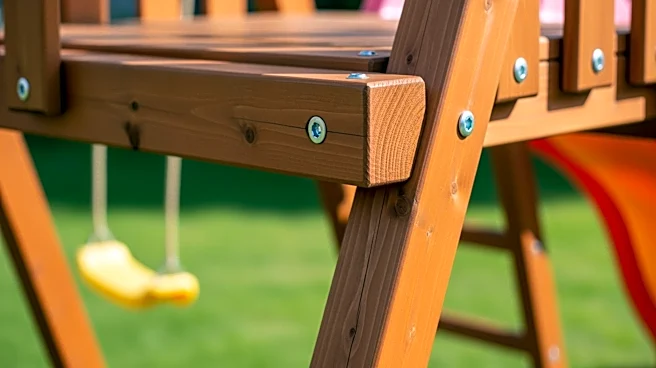
Regular maintenance and inspection of outdoor playsets are crucial for ensuring safety. Playsets should be checked for wear and tear, loose bolts, and other potential hazards. Any damaged or worn components should be repaired or replaced promptly to prevent accidents.
Parents and caregivers should also supervise children while they play, ensuring that they use the equipment safely and appropriately. Teaching children about safe play practices, such as not pushing or shoving on the playset, can further reduce the risk of injuries.
Safety is a paramount concern when it comes to outdoor playsets. By understanding the risks and implementing appropriate safety measures, we can create a safe and enjoyable environment for children to play and explore.