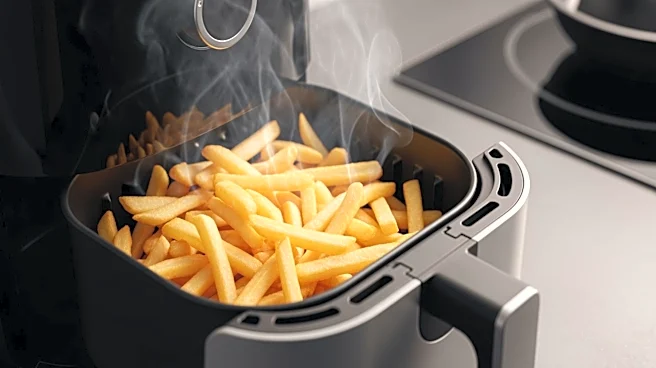








Air fryers have revolutionized the way we cook by offering a healthier alternative to traditional frying methods. But how exactly do these appliances work to achieve that perfect crisp? This article explores the technology and science behind air fryers, shedding light on the mechanisms that make them so effective.
The Technology of Air Fryers
At its core, an air fryer is a small countertop convection oven. It uses a fan to circulate hot air around the food at high speeds, creating
a cooking environment similar to deep frying but without the need for large amounts of oil. The air fryer can reach temperatures of up to 200 °C (392 °F), which is crucial for inducing the Maillard reaction—a chemical reaction that gives fried foods their distinctive flavor and crispy texture.
The original Philips Airfryer, for instance, utilized a combination of radiant heat from a heating element and convection heat from a strong hot air stream. This design ensured that heat was delivered from all sides, cooking the food evenly. The air fryer’s compact size also means that it heats up quickly and uses less energy compared to a conventional oven.
The Science of Cooking with Air
The key to the air fryer's success lies in its ability to mimic the effects of deep frying. Traditional frying methods involve submerging food in hot oil, which transfers heat rapidly and evenly, resulting in a crispy exterior. Air fryers achieve a similar effect by using a thin layer of oil on the food's surface and circulating hot air to create a crisp layer through browning reactions.
The fan in the air fryer plays a crucial role by moving the hot air around the food, ensuring that it cooks evenly. This process not only creates a crispy texture but also helps to lock in moisture, preventing the food from drying out. Most air fryers come with adjustable temperature and timer settings, allowing users to customize the cooking process for different types of food.
Advantages and Considerations
One of the main advantages of using an air fryer is the reduction in oil consumption, which makes it a healthier option for cooking fried foods. Additionally, air fryers are generally easier to clean than traditional deep fryers, as they do not involve handling large quantities of oil.
However, it's important to note that while air fryers can produce similar results to deep frying, they may not always replicate the exact texture and flavor. Some users find that certain foods may require additional adjustments, such as shaking the basket during cooking, to ensure even results. Despite these considerations, the air fryer remains a popular choice for those seeking a convenient and healthier way to enjoy fried foods.