
GT3 racing cars are a fascinating blend of engineering prowess and performance innovation. These vehicles, regulated by the FIA, are based on mass production road car models but are transformed into high-performance
machines capable of competing at the highest levels of motorsport. The technical specifications and engineering feats that go into creating a GT3 car are nothing short of remarkable.
Engine and Performance
One of the defining features of GT3 cars is their engine versatility. Unlike other racing categories, GT3 regulations allow for a wide variety of engine sizes and configurations. This flexibility enables manufacturers to use engines from different models within their lineup. For example, the BMW Z4 GT3 uses the 4.4L V8 from the BMW M3 E92, while the Mercedes-AMG GT3 employs the 6.2 V8 from the Mercedes SLS AMG GT3.
Despite the diversity in engine configurations, all GT3 cars are designed to have a similar power-to-weight ratio. This is achieved through the balance of performance formulae, which adjust limits on horsepower, weight, engine management, and aerodynamics. The result is a competitive field where no single manufacturer can dominate, ensuring exciting and unpredictable races.
Advanced Aerodynamics and Chassis
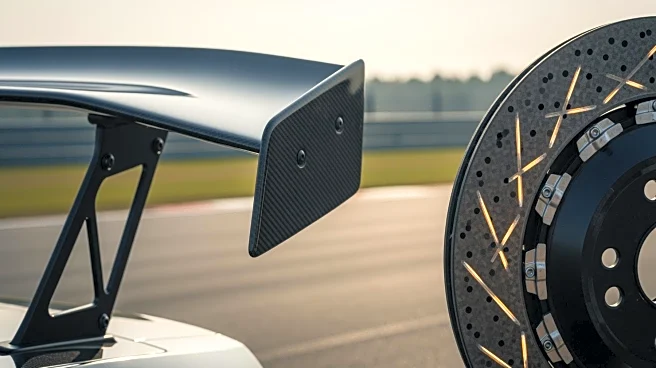
Aerodynamics play a crucial role in the performance of GT3 cars. The regulations allow for significant modifications to the bodywork to improve downforce and reduce drag. This includes the use of large rear wings, front splitters, and diffusers, all designed to enhance the car's stability and handling at high speeds.
The chassis construction of GT3 cars is equally impressive. Manufacturers have the freedom to use various materials and designs to optimize weight distribution and rigidity. This results in cars that are not only fast but also agile and responsive, capable of tackling the most challenging circuits with precision.
Cutting-Edge Technology
GT3 cars are equipped with state-of-the-art technology to aid drivers and improve performance. Features such as traction control, anti-lock braking systems (ABS), and built-in air jacks for quick pit stops are standard across the category. These technologies not only enhance the driving experience but also contribute to the safety and reliability of the vehicles.
In conclusion, GT3 racing cars are a testament to the ingenuity and innovation of automotive engineering. The combination of diverse engine configurations, advanced aerodynamics, and cutting-edge technology makes them a thrilling spectacle on the racetrack. As the category continues to evolve, GT3 cars will undoubtedly remain at the forefront of motorsport engineering.