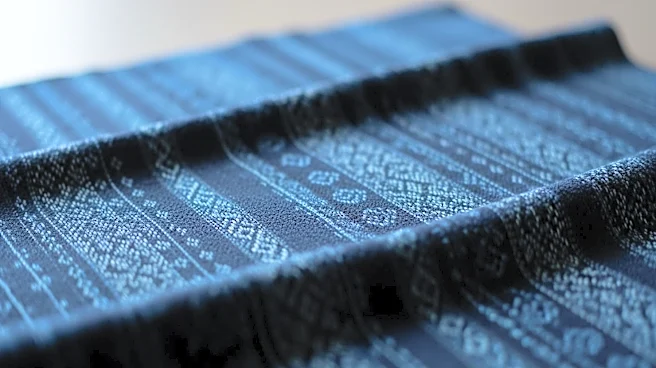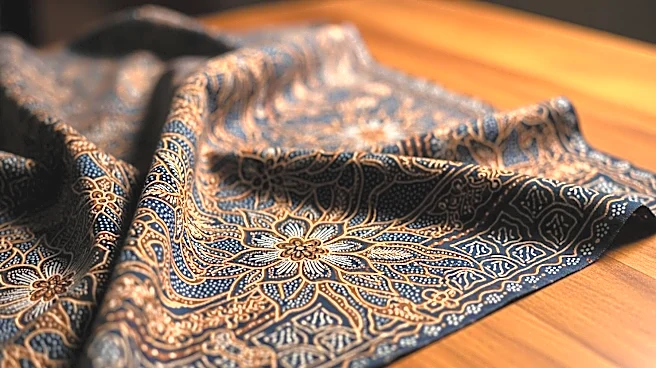







Batik is more than just a textile art; it is a cultural emblem deeply rooted in Indonesian history and tradition. Recognized by UNESCO as an Intangible Cultural Heritage, batik holds a special place in the hearts of Indonesians, symbolizing their rich cultural heritage. This article explores the historical development of batik in Indonesia and its cultural significance, highlighting its role in traditional ceremonies and everyday life.
Historical Roots: From Ancient Times to Modern Indonesia
The origins
of batik in Indonesia are shrouded in mystery, with evidence suggesting its presence as far back as the Hindu-Buddhist period. Some historians believe that the technique was introduced from India or Sri Lanka during the 6th or 7th century. However, the oldest surviving Javanese batik piece dates back to the early Majapahit period, indicating that sophisticated batik techniques were already in use by the 13th century.
Batik flourished in the Islamic courts of Java, where it became a symbol of status and prestige. The intricate patterns and motifs were often reserved for royalty and nobility, with specific designs indicating a person's rank and class. As batik spread beyond the royal courts, it became a popular trade commodity, influencing textile traditions across Southeast Asia.
Cultural Significance: Batik in Ceremonies and Daily Life
In Indonesia, batik is an integral part of cultural ceremonies and daily attire. Certain motifs hold symbolic meanings and are reserved for special occasions, such as weddings and birth ceremonies. For example, the truntum motif symbolizes everlasting love and is used during wedding ceremonies to represent the union of two families.
Batik is also worn in traditional dance performances, adding a layer of cultural expression to the art form. The vibrant patterns and colors of batik garments enhance the visual appeal of these performances, showcasing the artistry and craftsmanship of Indonesian culture.
Batik Today: A Living Tradition
Despite the challenges faced by the batik industry during the Japanese occupation and the rise of Western clothing, batik has experienced a revival in recent years. Indonesian fashion designers have embraced batik, incorporating modern colors and patterns to appeal to contemporary tastes. This resurgence has helped preserve the cultural heritage of batik, ensuring its continued relevance in Indonesian society.
Today, batik is celebrated not only in Indonesia but also internationally, with Batik Day observed annually on October 2nd. The global recognition of batik as a cultural heritage has strengthened its status as a symbol of Indonesian identity, inspiring new generations to appreciate and continue this timeless tradition.