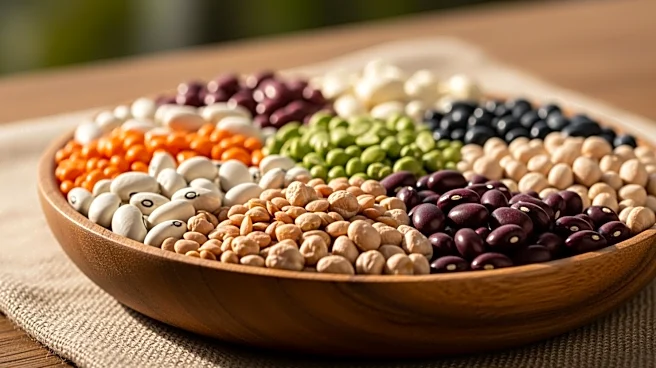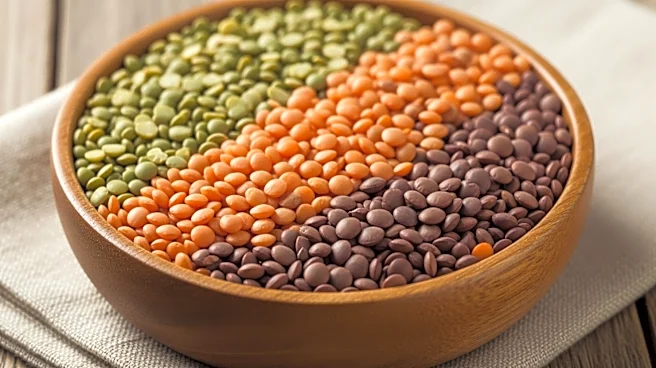



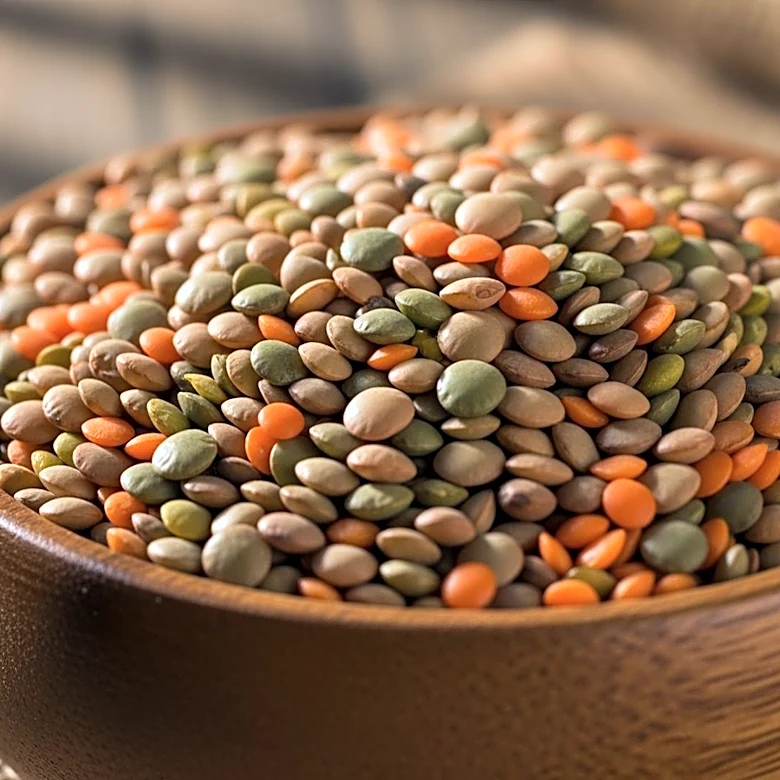



Lentils, known scientifically as Vicia lens or Lens culinaris, are a fascinating legume with a rich botanical profile and diverse culinary uses. These small, lens-shaped seeds are cultivated for their edible pulses, which are a staple in many global cuisines. This article explores the botanical characteristics of lentils and their wide-ranging culinary applications, highlighting their importance in both agriculture and gastronomy.
Botanical Characteristics of Lentils
Lentils are annual
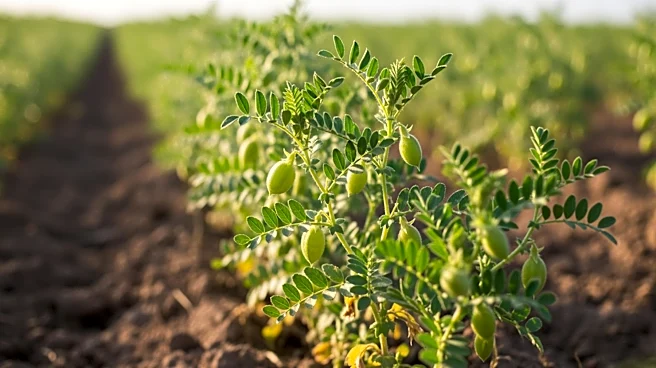
legumes that grow to about 40 cm (16 in) tall, with seeds developing in pods that typically contain two seeds each. The plant is a bushy herb with erect, semierect, or spreading growth, featuring many hairy branches and slender, angular stems. The leaves are alternate, with oblong-linear leaflets that vary in color from yellowish green to dark bluish green.
The flowers of the lentil plant are small and can be white, pink, purple, pale purple, or pale blue. They arise from the axils of the leaves and are supported by slender footstalks. Lentils are self-pollinating, with flowering beginning from the lowermost buds and gradually moving upward. The pods are oblong and slightly inflated, containing seeds that are typically 0.5 cm in diameter.
Culinary Applications of Lentils
Lentils are celebrated for their versatility in the kitchen, used in a variety of dishes worldwide. They are most commonly found in stews and soups, providing a hearty and nutritious base. In the Indian subcontinent, lentils are a staple ingredient in dal, a thick curry often served with rice or roti. The split lentils, known as dal, are cooked into a puree, offering a rich, earthy flavor.
In Middle Eastern cuisine, lentils are often combined with rice to create dishes like mujaddara, a flavorful blend of lentils, rice, and spices. Lentils are also used in salads, providing a protein-rich addition to fresh vegetables. Their ability to hold shape or disintegrate into a puree makes them suitable for a wide range of culinary applications.
Nutritional Benefits and Global Impact
Lentils are recognized for their nutritional value, being a rich source of protein, dietary fiber, iron, and potassium. They are particularly beneficial for vegetarians and vegans, offering a plant-based protein option. The low levels of readily digestible starch and high levels of slowly digested starch make lentils valuable for people with diabetes.
Globally, lentils are a staple food in regions such as South Asia, the Mediterranean, and Latin America. Their adaptability to different climates and soil types has made them a crucial crop in various agricultural systems. Lentils improve soil properties and increase the yield of succeeding cereal crops, contributing to sustainable farming practices.
Lentils are a remarkable legume with both botanical and culinary significance. Their diverse applications in global cuisines and nutritional benefits make them an essential ingredient in many diets. As a versatile and sustainable food source, lentils continue to play a vital role in agriculture and gastronomy.