



The 2020 NFL Draft was unlike any other in the history of the National Football League. Originally planned to be a grand event in Paradise, Nevada, the draft had to adapt to the unprecedented circumstances of the COVID-19 pandemic. This led to a fully virtual draft, a first for the league, where team selections were made via videoconferencing, and the usual fanfare was replaced with a more subdued, yet innovative, approach.
The Original Plan
The NFL had grand plans
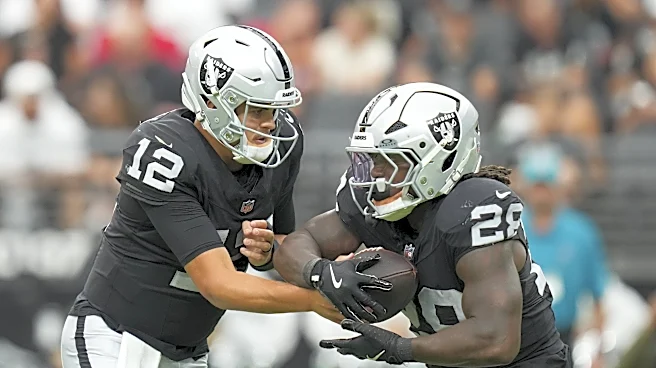
for the 2020 draft, intending to host it in Las Vegas to coincide with the Las Vegas Raiders' arrival in the city. The event was set to feature a main stage near the Caesars Forum convention center and a unique "red carpet" stage on a floating platform in front of the Bellagio resort. Players were to be transported to and from the stage by boat, promising a spectacle fitting for the entertainment capital of the world.
However, as the pandemic unfolded, these plans were scrapped. On March 16, the NFL announced the cancellation of all public festivities associated with the draft. This decision marked a significant shift in how the draft would be conducted, moving from a live, in-person event to a completely virtual format.
The Virtual Draft
With the decision to go virtual, the NFL had to quickly adapt to ensure the draft could proceed smoothly. Team coaches and general managers convened via Microsoft Teams, as all team facilities were closed. NFL Commissioner Roger Goodell announced the picks for the first three rounds from his home in Bronxville, New York, while the remaining rounds were announced by Dave Gardi.
This virtual format presented unique challenges and opportunities. The league had to ensure that the technology was robust enough to handle the demands of the draft, and teams had to adjust to making selections without the usual in-person interactions. Despite these challenges, the draft proceeded without major issues, showcasing the NFL's ability to adapt in the face of adversity.
The Impact and Legacy
The 2020 NFL Draft's virtual format set a precedent for how major sporting events could be conducted in a world affected by a global pandemic. It demonstrated the potential for technology to bridge the gap when traditional methods are not feasible. The success of the virtual draft also paved the way for future events, with the NFL announcing that Las Vegas would host the 2022 draft, hopefully under more normal circumstances.
The virtual draft was a testament to the resilience and adaptability of the NFL, providing a blueprint for other leagues and organizations facing similar challenges. It highlighted the importance of flexibility and innovation in ensuring that the show could go on, even in the most trying of times.