





The Everglades, a unique and vital ecosystem in Florida, faces numerous environmental challenges that threaten its health and sustainability. From disrupted water flow to invasive species, these issues have prompted significant conservation efforts to preserve this natural treasure. Understanding these challenges is essential to appreciating the ongoing efforts to protect the Everglades.
Disrupted Water Flow and Its Impact
One of the most significant challenges facing the Everglades
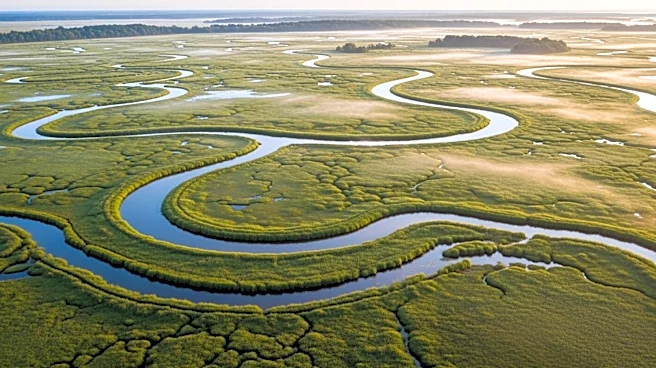
is the disruption of its natural water flow. Historically, the Everglades was a vast watershed that extended from Lake Okeechobee to Florida Bay. However, human activities, including the construction of canals and levees, have altered the natural flow of water, leading to ecological imbalances.
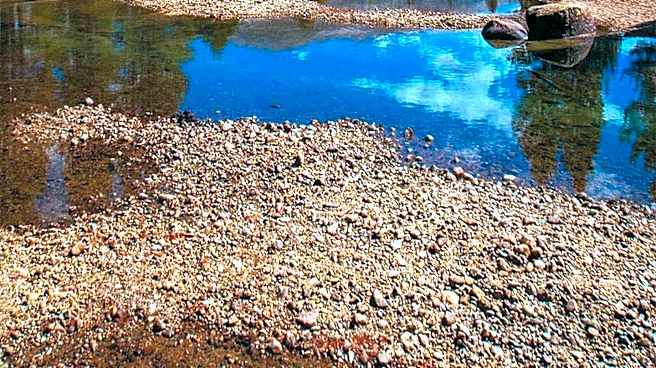
The Central and Southern Florida Flood Control Project, established in response to flooding, constructed extensive canal systems that diverted water away from the Everglades. This has resulted in reduced water levels, affecting the delicate balance of ecosystems within the region. The altered water flow has led to the decline of wading bird populations and the proliferation of invasive plant species, such as cattails, which thrive in nutrient-rich waters.
Invasive Species and Their Effects
Invasive species pose another significant threat to the Everglades' ecosystems. Non-native plants and animals, introduced through various means, compete with native species for resources and disrupt the natural balance. Melaleuca trees, Brazilian pepper, and Old World climbing ferns are among the most problematic invasive plants, outcompeting native vegetation and altering habitats.
Invasive animal species, such as the Burmese python, have also become a major concern. These large snakes, released into the wild by pet owners, have established breeding populations in the Everglades. As apex predators, they compete with native species like alligators for food and habitat, further stressing the ecosystem. Efforts to control invasive species are ongoing, but the challenges remain significant.
Conservation Efforts and Restoration Plans
In response to these challenges, various conservation efforts and restoration plans have been implemented to protect the Everglades. The Comprehensive Everglades Restoration Plan (CERP) is a key initiative aimed at restoring the natural flow of water and improving water quality. This ambitious project involves the construction of reservoirs, removal of canals, and reestablishment of natural water flow patterns.
Organizations like Friends of the Everglades, founded by Marjory Stoneman Douglas, play a crucial role in advocating for the preservation and restoration of the Everglades. These groups work to raise awareness, influence policy, and support scientific research to address the complex issues facing the region. While progress has been made, continued efforts are necessary to ensure the long-term health and sustainability of the Everglades.