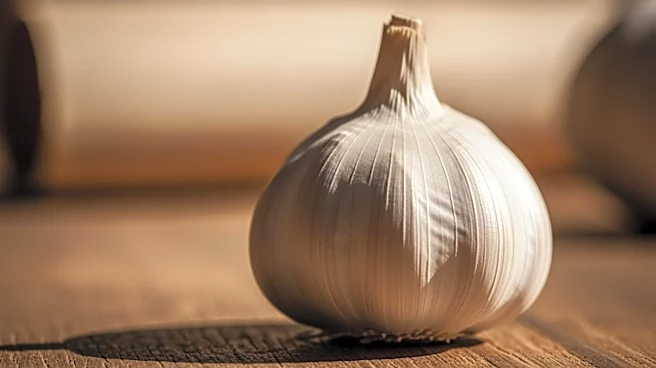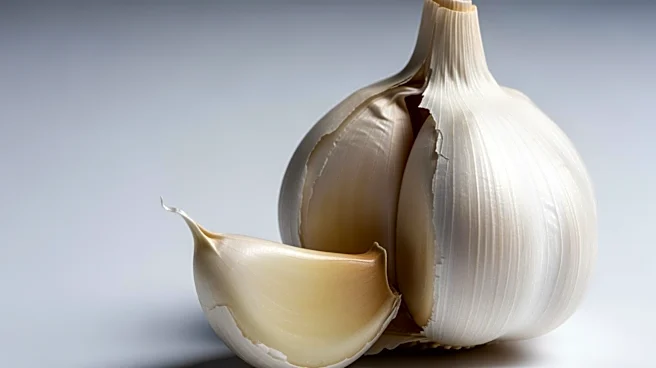



Garlic is renowned for its strong, pungent aroma and flavor, which can transform a dish from bland to bold. This distinctive characteristic is the result of complex chemical processes that occur when garlic is chopped, crushed, or cooked. Understanding these processes provides insight into why garlic is such a powerful ingredient in the culinary world.
The Chemistry of Garlic
The key to garlic's pungent aroma lies in its sulfur-containing compounds. When garlic's cells are
damaged through chopping or crushing, enzymes trigger the breakdown of these compounds, leading to the formation of allicin. Allicin is the primary compound responsible for the sharp, spicy taste and strong smell of raw garlic.
Allicin is highly unstable and continues to react over time, breaking down into other sulfur compounds such as ajoene, diallyl disulfide, and diallyl trisulfide. These compounds contribute to garlic's characteristic odor and flavor, with each playing a role in the overall sensory experience of garlic.
Cooking and Garlic's Flavor
Cooking garlic alters its chemical composition, affecting its flavor and aroma. The process of cooking breaks down allicin, reducing its pungency and allowing other flavors to emerge. This is why cooked garlic often has a sweeter, milder taste compared to its raw counterpart.
The Maillard reaction, a chemical reaction between amino acids and reducing sugars, also plays a role in the flavor development of cooked garlic. This reaction contributes to the browning and complex flavors that develop when garlic is roasted or sautéed, enhancing its appeal in a variety of dishes.
Garlic's Evolutionary Defense
The sulfur compounds in garlic are believed to have evolved as a defense mechanism, deterring animals and insects from consuming the plant. This evolutionary trait has allowed garlic to thrive in various environments, from the wilds of Central Asia to cultivated fields worldwide.
Despite its pungent aroma, garlic is a favorite among humans, who have learned to appreciate its unique flavor and incorporate it into countless recipes. Its ability to enhance the taste of food while providing potential health benefits makes garlic a valuable addition to any kitchen.
Understanding the science behind garlic's aroma and flavor not only enhances our appreciation of this versatile ingredient but also highlights the intricate relationship between chemistry and cuisine. As we continue to explore the culinary possibilities of garlic, its pungent aroma remains a testament to the power of nature's chemistry.