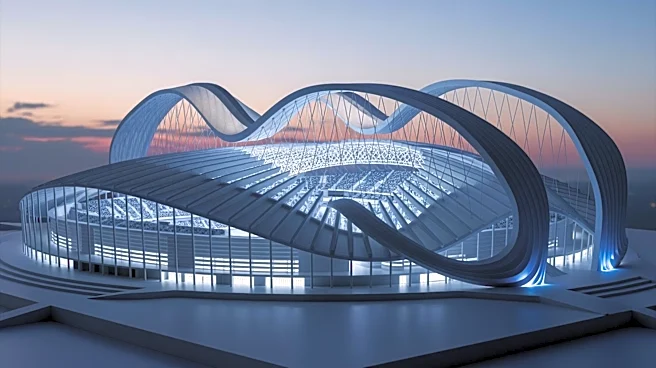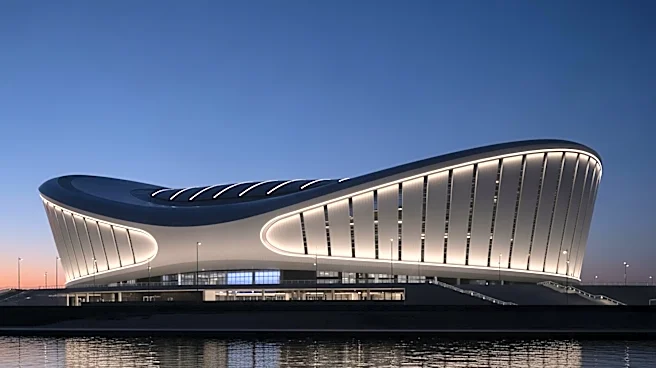






Kaliningrad Stadium, also known as Rostec Arena, played a pivotal role during the 2018 FIFA World Cup, hosting four matches in the tournament. Located on Oktyabrsky Island in Kaliningrad, Russia, the stadium was one of the newly constructed venues for the event. This article explores the significance of Kaliningrad Stadium during the World Cup and its impact on the tournament.
Hosting World Cup Matches
Kaliningrad Stadium was one of the twelve venues selected to host matches
for the 2018 FIFA World Cup. As the westernmost location of the tournament, it provided a unique setting for the games. The stadium hosted four group stage matches, drawing fans from around the world to witness the excitement of international football. The matches held at Kaliningrad Stadium were part of a larger effort to showcase Russia's ability to host a global sporting event successfully.
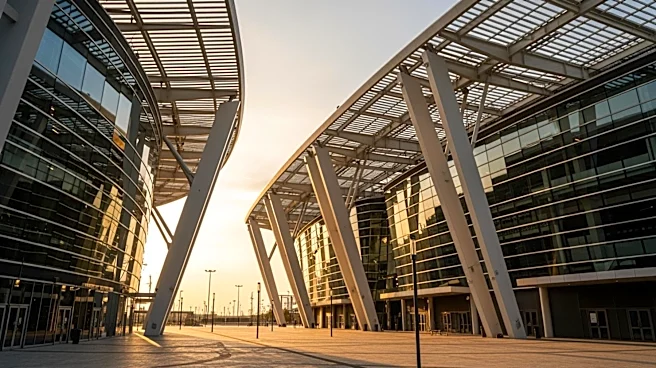
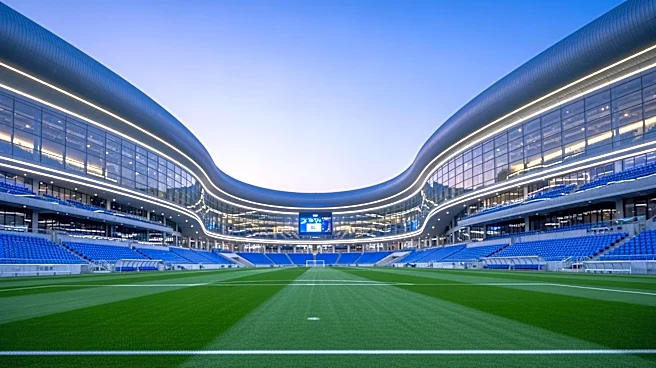
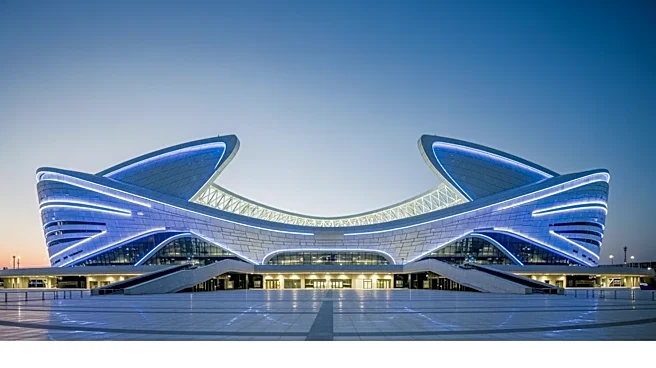
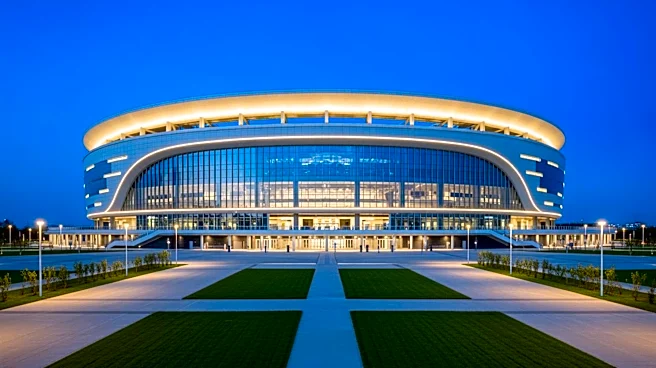
The stadium's design and modern facilities contributed to a positive experience for both players and spectators. With a seating capacity of 35,016, it accommodated a significant number of fans, creating an electric atmosphere during the matches. The venue's state-of-the-art security systems and infrastructure ensured the safety and comfort of all attendees, reflecting the high standards expected of World Cup venues.
Impact on Kaliningrad
The inclusion of Kaliningrad Stadium in the World Cup had a substantial impact on the city and the surrounding region. The influx of international visitors provided a boost to the local economy, with increased demand for accommodation, dining, and transportation services. This economic activity was a welcome benefit for the area, highlighting the potential for sports events to drive regional development.
Moreover, the World Cup brought global attention to Kaliningrad, a city with a rich history and unique cultural heritage. The exposure from hosting World Cup matches helped to raise the profile of the city, attracting future tourism and investment opportunities. The successful hosting of the event demonstrated Kaliningrad's capacity to accommodate large-scale international events, paving the way for future endeavors.
Legacy of the Stadium
Following the World Cup, Kaliningrad Stadium became the home ground for FC Baltika Kaliningrad, ensuring its continued use and relevance. The stadium's construction and the World Cup's success have left a lasting legacy in the region, contributing to the development of sports infrastructure and community engagement.
The stadium's role in the 2018 FIFA World Cup exemplifies the broader impact of hosting such a prestigious event. It not only provided a platform for world-class football but also fostered economic growth and cultural exchange, leaving a positive mark on Kaliningrad and its residents.