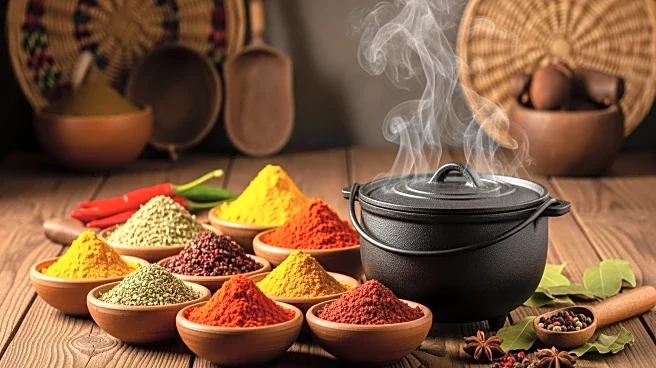




Creole cuisine is more than just a style of cooking; it is a cultural phenomenon that reflects the history and social dynamics of the regions it touches. Born from the fusion of African, European, and pre-Columbian traditions, Creole cuisine has become a symbol of cultural identity and resilience. This article explores the cultural significance of Creole cuisine in different societies and how it has shaped their social fabric.
Creole Cuisine as a Cultural Identity
In many regions, Creole
cuisine serves as a marker of cultural identity, representing the blending of diverse traditions and histories. In Louisiana, Creole cuisine is a proud symbol of the state's multicultural heritage. The dishes, rich in flavor and history, tell the story of the Creoles of Louisiana, who were descendants of French and Spanish settlers. This cuisine is a celebration of the region's diverse cultural influences and is an integral part of Louisiana's cultural identity.
In Cuba, Creole cuisine is a reflection of the island's complex history and cultural diversity. The use of local ingredients and traditional cooking methods highlights the island's rich cultural tapestry. Cuban Creole cuisine is not just about food; it is about preserving cultural heritage and passing down traditions from one generation to the next. It is a way for Cubans to connect with their roots and celebrate their unique cultural identity.
Social Impact of Creole Cuisine
Creole cuisine has also played a significant role in shaping social interactions and community bonds. In Brazil, the influence of African culinary traditions is evident in the communal nature of Creole dishes. Feijoada, for example, is often enjoyed as a communal meal, bringing people together to share in the rich flavors and cultural history of the dish. This communal aspect of Creole cuisine fosters a sense of community and belonging among its people.
In Réunion, Creole cuisine is a unifying force that brings together the island's diverse ethnic groups. The fusion of French, African, Indian, and Chinese culinary traditions creates a shared cultural experience that transcends ethnic boundaries. Creole cuisine is a way for the people of Réunion to celebrate their multicultural heritage and strengthen social ties.
Creole Cuisine and Cultural Resilience
Creole cuisine is a testament to cultural resilience and adaptability. In regions like Haiti and the Dominican Republic, Creole cuisine has survived and thrived despite historical challenges. The ability to adapt traditional recipes to local ingredients and circumstances is a reflection of the resilience and creativity of the people who embrace this culinary tradition.
In Mauritius, Creole cuisine is a celebration of the island's multicultural heritage. The fusion of African, Indian, and French influences in Mauritian Creole dishes showcases the island's ability to adapt and thrive in a diverse cultural landscape. This adaptability is a key aspect of Creole cuisine's cultural significance, highlighting the strength and resilience of the communities that embrace it.
Creole cuisine is a powerful cultural force that reflects the history, identity, and resilience of the regions it touches. It is a celebration of diversity and a testament to the enduring spirit of the people who have shaped it.