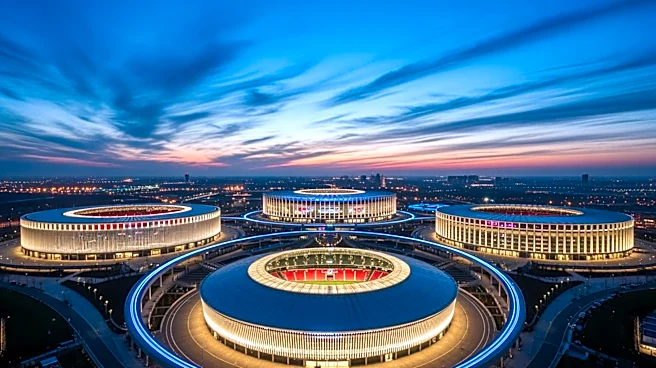







The 2026 FIFA World Cup is set to make history as the first tournament to be hosted by three countries: Canada, Mexico, and the United States. This unprecedented collaboration marks a significant milestone in the history of the World Cup, reflecting a new era of international cooperation in sports. Scheduled to take place from June 11 to July 19, 2026, the tournament will feature 48 teams, expanding the global reach and inclusivity of the event.
A New Era of Collaboration
The
decision to host the 2026 FIFA World Cup across three nations is a testament to the spirit of collaboration and unity in the world of sports. Canada, Mexico, and the United States have come together to share the responsibilities and benefits of hosting this prestigious event. This joint effort not only showcases the ability of these countries to work together but also sets a precedent for future international sporting events. By pooling resources and infrastructure, the three host nations aim to deliver a seamless and memorable experience for players and fans alike.
The choice of these three countries is strategic, as it leverages their existing infrastructure and experience in hosting large-scale events. The United States, in particular, will host 60 of the 104 matches, capitalizing on its extensive network of stadiums and facilities. Meanwhile, Canada and Mexico will each host a portion of the matches, highlighting their growing influence in the world of soccer. This collaboration is expected to boost tourism and economic activity across all three nations, further solidifying their roles as key players in the global sports arena.
Expanding the Global Reach
The 2026 FIFA World Cup will also be notable for its expanded format, featuring 48 teams instead of the traditional 32. This change reflects FIFA's commitment to increasing the inclusivity and diversity of the tournament, allowing more nations to participate on the world stage. The expanded format is expected to bring new energy and excitement to the competition, as teams from different regions showcase their talents and compete for the coveted title.
This expansion is particularly significant for the host nations, as it provides an opportunity to engage with a broader audience and promote the sport of soccer in North America. By hosting matches in various cities across Canada, Mexico, and the United States, the tournament will reach new fans and inspire the next generation of soccer players. The increased number of teams also means more matches, providing fans with more opportunities to experience the thrill of the World Cup firsthand.
A Legacy of Unity and Growth
As the first World Cup to be hosted by three countries, the 2026 tournament is poised to leave a lasting legacy of unity and growth. The collaboration between Canada, Mexico, and the United States serves as a powerful example of how nations can come together to achieve common goals. This spirit of cooperation is expected to extend beyond the tournament, fostering stronger ties and partnerships between the host nations.
The 2026 FIFA World Cup will not only celebrate the sport of soccer but also the values of inclusivity, diversity, and collaboration. As the world watches this historic event unfold, it will serve as a reminder of the power of sports to bring people together and create positive change. The legacy of the 2026 World Cup will be one of unity, growth, and a shared commitment to the future of soccer.