


Driver drowsiness is a significant concern in road safety, contributing to numerous accidents each year. To address this issue, automotive companies have developed various technologies aimed at detecting and preventing drowsiness while driving. This article explores these preventative technologies and their role in enhancing road safety.
Technologies to Keep Drivers Awake
One of the primary approaches to combating driver drowsiness involves technologies designed to keep drivers awake.
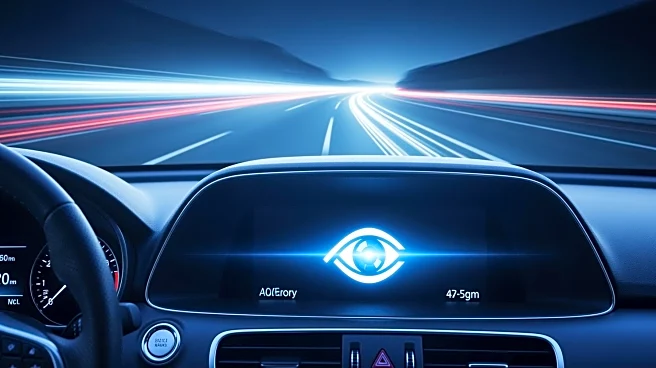
Blue light is one such technology, incorporated into interior lights, touchscreens, and speedometer displays. Blue light strains the eyes, making it difficult for drivers to fall asleep while driving. This simple yet effective measure helps maintain driver alertness during long journeys.
Another preventative technology involves lane departure sensors that detect erratic movements or swerving. When these sensors identify potential drowsiness, a coffee symbol may illuminate on the dashboard, or a verbal alert may sound, prompting the driver to take a break. Additionally, the driver's seat can vibrate to startle them into alertness. While these technologies are not yet perfect, they represent a significant step forward in preventing drowsiness-related accidents.
Detecting and Correcting Driver Error
Beyond keeping drivers awake, some technologies focus on detecting and correcting driver errors caused by drowsiness. Steering technology, for instance, can automatically correct swerving due to drowsiness, helping drivers maintain control of their vehicles. This proactive approach reduces the risk of accidents and enhances overall road safety.
Companies like SafeMode have developed systems that analyze driver behavior for "safety events," such as hard accelerations or braking. Drivers who reduce the frequency of these events over time earn incentives, encouraging safer driving habits. By monitoring and rewarding safe driving behavior, these technologies contribute to a safer driving environment for all road users.
Future Developments in Drowsiness Prevention
The quest to prevent driver drowsiness is ongoing, with new technologies continually being developed. Future advancements may include cameras that monitor drivers' eye movements, detecting signs of drowsiness based on a lack of eye activity. These systems aim to provide early warnings, allowing drivers to take necessary precautions before drowsiness becomes a hazard.
As automotive safety technology continues to evolve, the focus on preventing driver drowsiness remains a priority. By integrating these technologies into vehicles, manufacturers are taking significant steps toward reducing accidents and ensuring safer roads for everyone.