




The South Fork Fishing and Hunting Club played a pivotal role in the events leading up to the catastrophic Johnstown Flood of 1889. Comprised of wealthy industrialists from Pittsburgh, the club owned the South Fork Dam, whose failure resulted in one of the deadliest floods in U.S. history. This article examines the club's involvement and the consequences of their actions.
The Club's Acquisition and Modifications
The South Fork Fishing and Hunting Club purchased the South Fork Dam and the surrounding
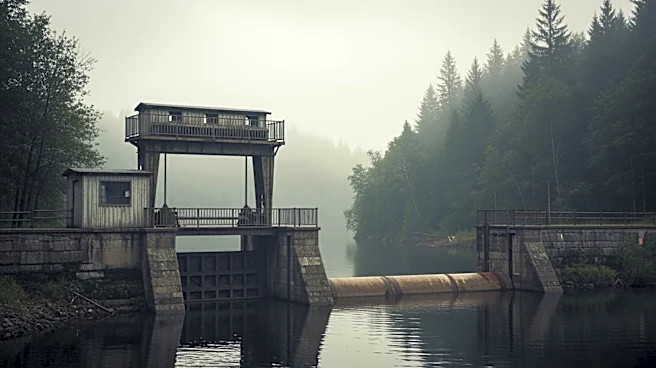
reservoir, Lake Conemaugh, as part of a private resort for its members. The club made several modifications to the dam to suit their recreational needs, including lowering the dam to accommodate a carriageway and installing a fish screen in the spillway.
These alterations, however, compromised the structural integrity of the dam. The club failed to replace a system of relief pipes and valves that had been sold for scrap, leaving no way to lower the water level in the lake during emergencies. These changes increased the dam's vulnerability, setting the stage for the disaster that would follow.
The Day of the Disaster
On May 31, 1889, after days of heavy rainfall, the South Fork Dam was on the brink of failure. Despite the dire situation, the club's president, Elias Unger, and other members made last-ditch efforts to reinforce the dam. They attempted to unclog the spillway and raise the dam's crest, but their efforts were ultimately unsuccessful.
When the dam finally gave way, it released a massive wall of water that devastated the town of Johnstown and surrounding areas. The flood claimed 2,208 lives and caused extensive property damage, leaving a lasting impact on the community and the nation.
Accountability and Legal Implications
In the aftermath of the flood, the South Fork Fishing and Hunting Club faced public outrage and legal challenges. Survivors sought to hold the club accountable for the disaster, arguing that their negligence and modifications to the dam were to blame. However, the club's legal defense successfully argued that the flood was an Act of God, and no compensation was awarded to the victims.
The failure to hold the club accountable highlighted the limitations of existing liability laws and contributed to the development of strict liability in American tort law. This shift allowed for greater accountability in cases of industrial negligence, ensuring that similar disasters would be met with more stringent legal standards in the future.