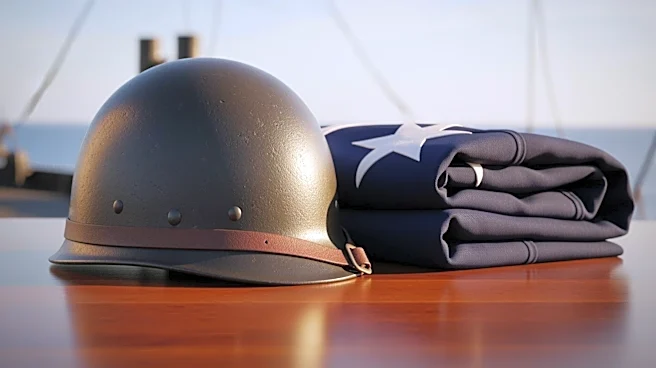



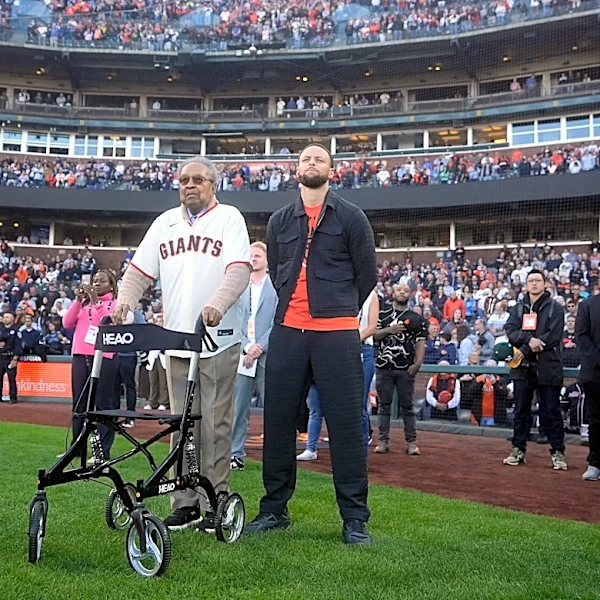




Doris Miller's story is not just one of personal heroism but also a significant chapter in the struggle for racial equality in the U.S. Navy. As the first Black recipient of the Navy Cross, Miller's actions during the attack on Pearl Harbor highlighted the capabilities of Black servicemen and challenged the racial segregation prevalent in the military at the time.
Breaking Barriers at Pearl Harbor
On December 7, 1941, Doris Miller was serving as a mess attendant second class aboard
the USS West Virginia. The attack on Pearl Harbor thrust him into a situation where he demonstrated extraordinary bravery. Despite having no formal training in gunnery, Miller manned an anti-aircraft gun and helped save wounded sailors, actions that earned him the Navy Cross.
Miller's heroism was a direct challenge to the racial norms of the time. The U.S. Navy was segregated, and Black sailors were often limited to non-combat roles. Miller's actions proved that Black servicemen were capable of performing valiantly in combat, prompting discussions about racial equality within the military.
Recognition and Advocacy
The recognition of Miller's bravery was a significant moment in the fight for racial equality. Admiral Chester Nimitz awarded him the Navy Cross, marking the first time a Black sailor received such an honor in the Pacific Fleet. However, many believed that Miller deserved the Medal of Honor, the highest military decoration.
The Black press and civil rights organizations campaigned for Miller to receive the Medal of Honor, highlighting the racial disparities in military recognition. Although the Medal of Honor was not awarded to Miller, the campaign brought attention to the need for racial equality in the military and beyond.
A Lasting Impact
Doris Miller's legacy extends beyond his actions at Pearl Harbor. His story became a symbol of the broader struggle for civil rights and equality in the U.S. military. Miller's bravery and the subsequent recognition he received helped pave the way for future generations of Black servicemen and women.
Today, Miller's legacy is honored through various commemorations, including the naming of the USS Doris Miller, a Gerald R. Ford-class aircraft carrier. His story continues to inspire and remind us of the ongoing fight for racial equality and the contributions of African Americans to the nation's history.
Doris Miller's role in challenging racial barriers in the U.S. Navy is a testament to the power of courage and determination in the face of adversity. His legacy serves as a reminder of the progress made and the work that remains in the pursuit of equality.