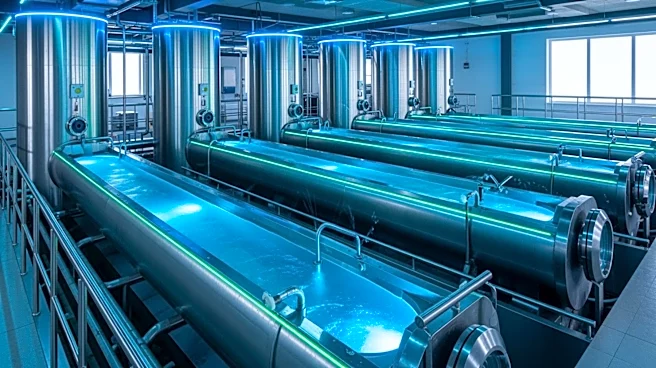







Titanium dioxide nanoparticles are not only valuable in the cosmetic industry but also play a significant role in construction and environmental applications. Their unique properties, such as photocatalytic activity and UV absorption, make them ideal for use in a variety of products, from self-cleaning windows to wastewater treatment systems.
Applications in Construction Materials
In the construction industry, titanium dioxide nanoparticles are used as additives in paints, plastics, cements,
and tiles. Their photocatalytic properties enable them to break down organic compounds, making them useful in creating self-cleaning surfaces. For example, when applied to windows, these nanoparticles help decompose dirt and grime, reducing the need for frequent cleaning and maintenance.
Additionally, titanium dioxide nanoparticles are used in antifogging coatings. These coatings prevent the accumulation of moisture on surfaces, which is particularly beneficial for glass and mirrors in humid environments. The nanoparticles' ability to absorb UV radiation also contributes to the longevity and durability of construction materials, protecting them from the degrading effects of sunlight.
Environmental Applications
Beyond construction, titanium dioxide nanoparticles are employed in environmental applications due to their ability to decompose organic pollutants. In wastewater treatment, these nanoparticles are used to break down harmful compounds, improving water quality and reducing environmental pollution. Their photocatalytic activity is harnessed to treat industrial effluents, making them an essential component in sustainable environmental management.
Moreover, titanium dioxide nanoparticles are used in the development of solar cells and light-emitting diodes (LEDs). Their ability to absorb and convert light into energy makes them a promising material for enhancing the efficiency of solar panels. This application not only contributes to renewable energy production but also supports efforts to reduce carbon emissions and combat climate change.
Safety and Regulatory Considerations
While the benefits of titanium dioxide nanoparticles in construction and environmental applications are clear, safety and regulatory considerations are important. In occupational settings, inhalation exposure to these nanoparticles can pose health risks, such as lung cancer. As a result, standard hazard controls for nanomaterials are applied to ensure the safety of workers handling these substances.
Regulatory agencies, such as the U.S. National Institute for Occupational Safety and Health, have established exposure limits to protect workers from potential health risks. These measures include engineering controls, personal protective equipment, and administrative controls to minimize exposure and ensure safe handling practices.
In summary, titanium dioxide nanoparticles offer significant advantages in construction and environmental applications, from enhancing material durability to improving water quality. While safety considerations are crucial, the benefits of these nanoparticles in promoting sustainability and innovation are undeniable.