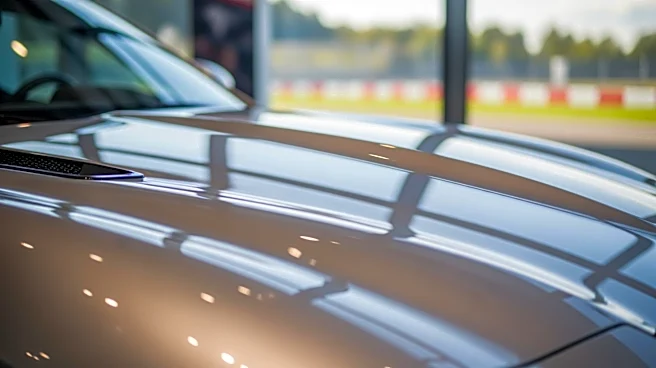




Group N regulations have long been associated with the idea of the "showroom class" in motorsport. This concept revolves around using standard production vehicles with minimal modifications, making it an accessible and cost-effective entry point for competitors. This article delves into the essence of Group N as the showroom class and its impact on motorsport.
The Concept of the Showroom Class
The term "showroom class" aptly describes Group N's approach to motorsport. Introduced by
the FIA in 1982, Group N regulations were designed to allow large-scale series production vehicles to compete with minimal modifications. This approach contrasted with Group A, which permitted more extensive modifications to make cars more suitable for racing.
The idea was to keep the cars as close to their production counterparts as possible, ensuring that the vehicles on the track were similar to those available to consumers. This not only made the racing more relatable to fans but also kept costs down for competitors. By limiting modifications, Group N provided a level playing field where driver skill and vehicle reliability were paramount.
Cost-Effective Racing
One of the primary advantages of Group N was its cost-effectiveness. By restricting modifications, the expenses associated with developing and maintaining a competitive race car were significantly reduced. This made Group N an attractive option for privateers and smaller teams who might not have the resources to compete in more heavily modified classes.
The regulations allowed for some modifications to promote longevity and reliability, such as the use of dog-engagement gearboxes and the strengthening of suspension components. However, these changes were carefully controlled to ensure that the cars remained true to their production origins. The choice of ECU was free, allowing teams to extract some additional performance without extensive engine modifications.
The Legacy of Group N
Although Group N regulations have been phased out in many FIA-sanctioned events, the concept of the showroom class continues to influence motorsport. The emphasis on cost-effective racing and the use of production-based vehicles have inspired other categories and series around the world.
National and regional championships still run under Group N rules, and local variants have been developed to accommodate different marques. This enduring legacy highlights the appeal of the showroom class concept, providing an accessible entry point for competitors and a relatable spectacle for fans. Group N's influence can be seen in the continued popularity of production-based racing, where the focus remains on driver skill and vehicle reliability.