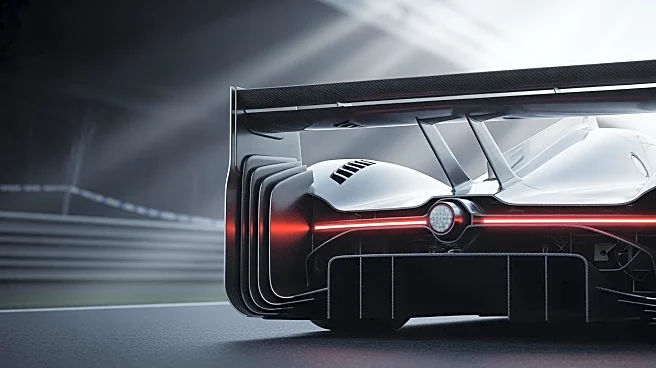

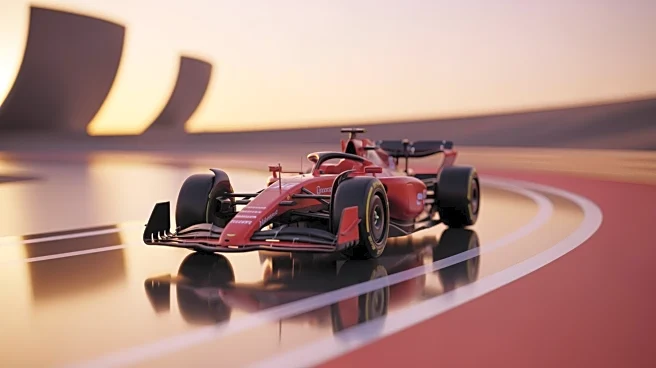
The design of rear wings in racing cars has undergone significant changes over the years, driven by advancements in technology and the ever-increasing demands of competitive racing. From their initial introduction to the sophisticated designs seen today, rear wings have evolved to meet the needs of speed, stability, and efficiency.
Early Developments
The concept of using aerodynamic devices to enhance car performance dates back to the early days of racing. Initially,
the focus was on reducing drag to increase speed. Early rear wings were relatively simple in design, often resembling flat plates attached to the rear of the car. These early designs provided some downforce but were not adjustable, limiting their effectiveness across different track conditions.
As racing technology advanced, so did the understanding of aerodynamics. Engineers began to experiment with different shapes and angles, leading to the development of more sophisticated rear wing designs. The introduction of adjustable wings marked a significant milestone, allowing drivers to modify the wing's angle to suit specific sections of a track.
Modern Innovations
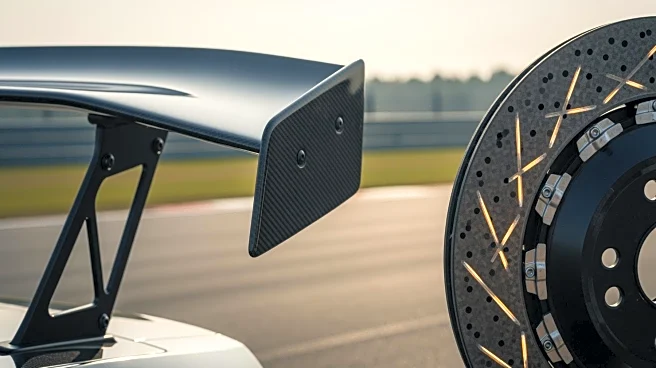
Today, rear wing designs are highly advanced, incorporating cutting-edge materials and technology. Modern rear wings are designed to be both lightweight and strong, using materials like carbon fiber to achieve the desired balance. The shape of the wing is carefully crafted to maximize downforce while minimizing drag, a crucial factor in achieving high speeds.
One of the most notable innovations in recent years is the use of active aerodynamics. This technology allows for real-time adjustments to the rear wing's angle, providing optimal performance under varying conditions. Active aerodynamics have become a standard feature in many high-performance racing cars, offering a competitive edge in terms of speed and handling.
The Future of Rear Wing Design
As racing continues to evolve, so too will the design of rear wings. Future developments are likely to focus on further enhancing the efficiency and effectiveness of these devices. This could involve the integration of new materials, such as advanced composites, and the use of more sophisticated computational models to optimize wing design.
The ongoing evolution of rear wing design reflects the dynamic nature of racing technology. As teams strive to gain every possible advantage, the role of rear wings will remain a critical aspect of car performance. With each new innovation, rear wings continue to push the boundaries of what is possible in the world of racing, ensuring that they remain a key focus for engineers and designers alike.