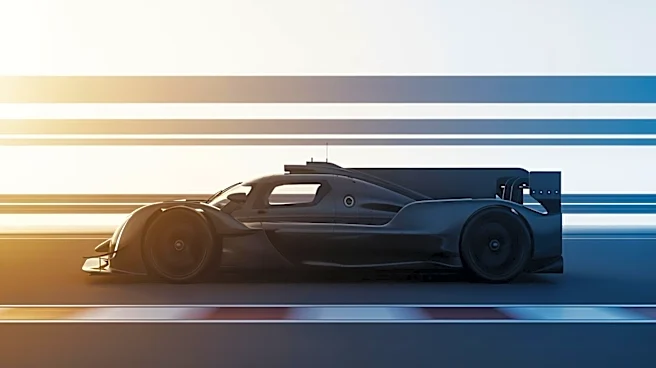


LMP3, or Le Mans Prototype 3, is a racing class that has undergone significant evolution since its inception. Designed as an entry-level prototype class for endurance racing, LMP3 serves as a stepping stone to higher classes like LMP2 and Hypercar. This article delves into the development of LMP3, highlighting key changes and milestones that have shaped its journey.
The Birth of LMP3
In 2013, the Automobile Club de l'Ouest (ACO) announced the creation of the LMP3 class,
which was set to replace the Le Mans Prototype Challenge (LMPC) class by 2015. The introduction of LMP3 was aimed at providing a more accessible entry point for teams and drivers aspiring to compete in endurance racing. The class was designed with cost caps and standardized components to ensure affordability and competitiveness.
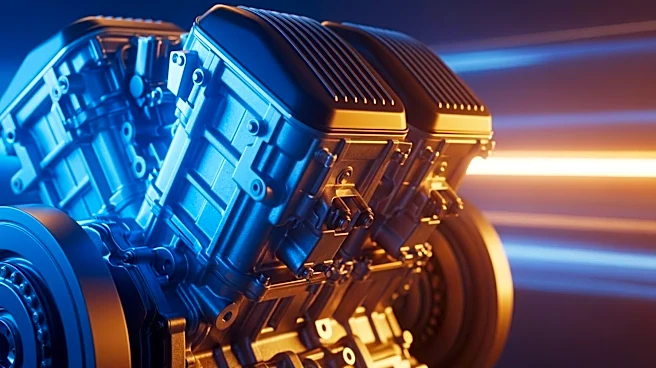
The initial development of LMP3 involved several manufacturers, with licenses issued to six constructors: ADESS, Ligier (Onroak Automotive), Ave/Riley, Norma, Dome, and Ginetta. Nissan was chosen to supply the spec engine, a VK50VE producing 420 horsepower. This move ensured a level playing field, allowing teams to focus on driver skill and strategy rather than technological superiority.
Technical Advancements and Challenges
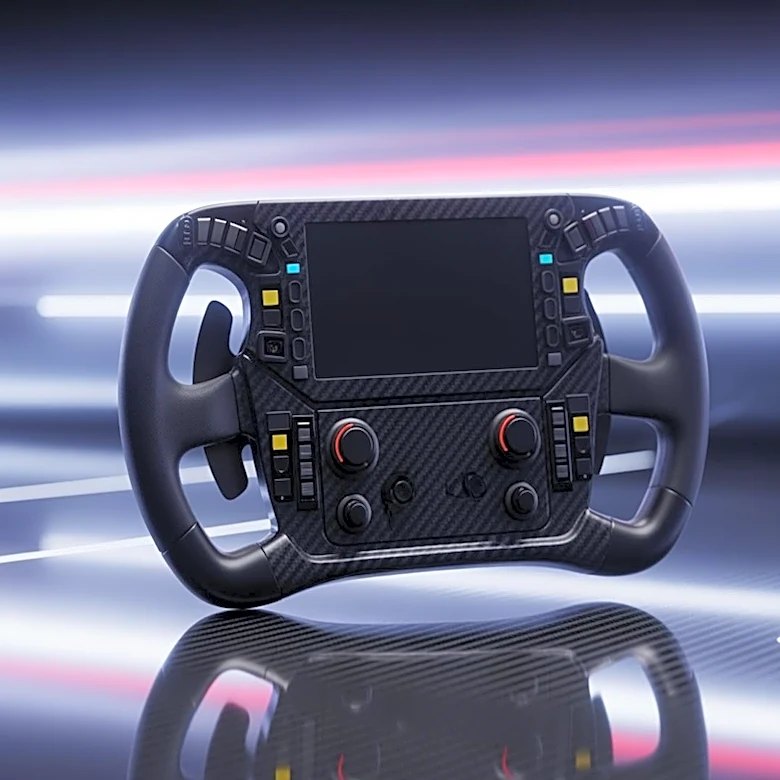
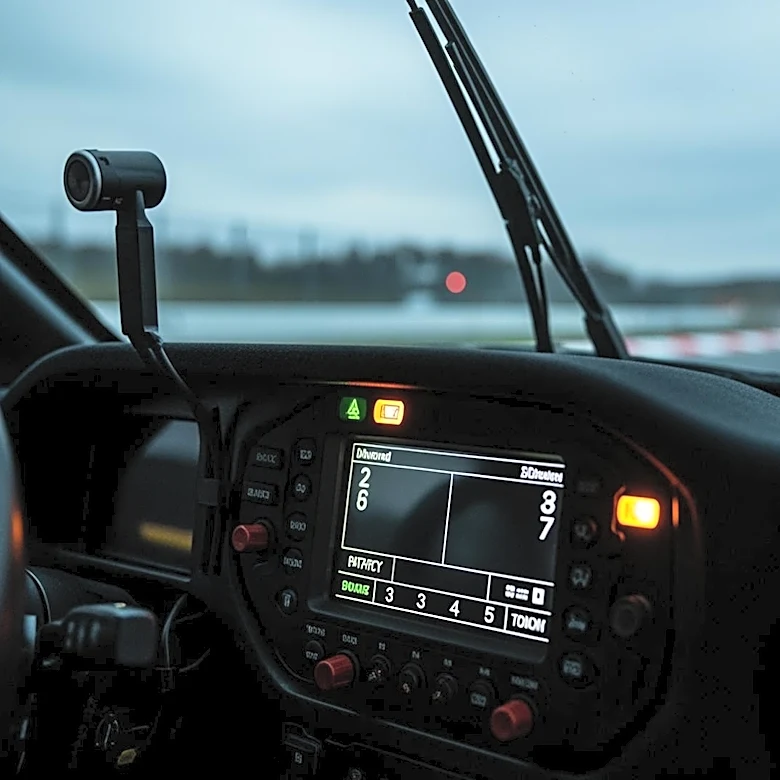
LMP3 cars are built to specific technical regulations, featuring closed-cockpit chassis and carbon fiber monocoque construction. The ADESS-03, one of the early LMP3 models, was designed by ADESS AG and made its competition debut at the 2015 2 Hours of Fuji. Despite its promising start, the ADESS-03 faced challenges, including reliability issues related to driveshaft angles and gull-wing style doors.
The Ligier JS P3, another prominent LMP3 model, was developed using Computational Fluid Dynamics (CFD) and became one of the most successful prototypes in the class. Known for its cornering advantage, the JS P3 has achieved numerous victories, underscoring the importance of aerodynamic efficiency in LMP3 racing.
Recent Developments and Future Prospects
In 2019, the ADESS-03 Evo was introduced as an updated version for the second generation of LMP3 competition. This evolution reflects the ongoing commitment to improving performance and reliability within the class. The LMP3 category continues to attract teams and drivers worldwide, participating in series such as the European Le Mans Series, Asian Le Mans Series, and IMSA Prototype Challenge.
Looking ahead, the LMP3 class is poised to maintain its role as a crucial stepping stone in endurance racing. With continuous advancements in technology and a focus on cost-effective competition, LMP3 remains an attractive option for aspiring racers. As the class evolves, it will likely continue to serve as a proving ground for future stars of endurance racing, bridging the gap between amateur and professional levels.