






Creative Commons has been a significant force in the copyleft movement, which seeks to provide alternatives to traditional copyright systems. By offering a range of licenses that allow creators to share their works more freely, Creative Commons has challenged the conventional "all rights reserved" approach to copyright. This article explores how Creative Commons has contributed to the copyleft movement and its impact on copyright culture.
The Rise of the Copyleft Movement
The copyleft
movement emerged as a response to the restrictive nature of traditional copyright laws, which often limited the ability of creators to share and build upon each other's work. Creative Commons has been at the forefront of this movement, providing a legal framework that allows creators to retain some rights while waiving others for the benefit of the public.
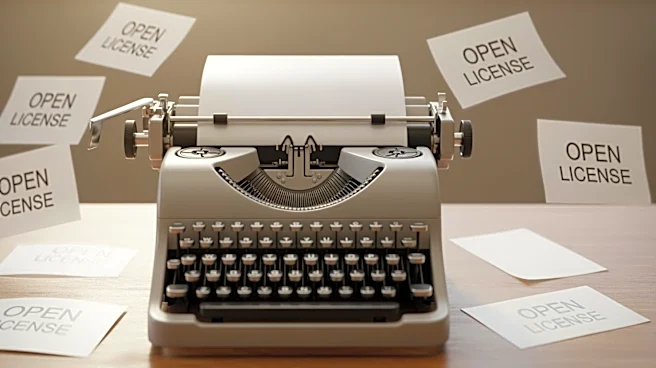
Creative Commons licenses have been dubbed "some rights reserved," reflecting their departure from the "all rights reserved" model. This approach has enabled a more open and collaborative culture, where creators can legally share their works and allow others to build upon them.
Challenging the Permission Culture
One of the primary goals of Creative Commons, as articulated by its founder Lawrence Lessig, is to counter the dominant permission culture that restricts artistic creation to established creators. By offering flexible licensing options, Creative Commons empowers individuals and groups to distribute content more freely while still protecting their intellectual property rights.
The organization's efforts have led to a rethinking of the role of the "commons" in the Information Age. Creative Commons has provided a platform for creators to share their works without the need for individual negotiations, making it easier for others to access and use creative content legally.
Impact on Copyright Culture
Creative Commons has had a profound impact on copyright culture, encouraging a shift towards more open and accessible creative practices. The licenses have been widely adopted by various platforms, including Wikipedia, Flickr, and YouTube, allowing millions of works to be shared and reused under Creative Commons terms.
However, the organization has also faced criticism and challenges. Some critics argue that Creative Commons licenses could erode the traditional copyright system or lead to confusion about the rights granted to users. Despite these concerns, Creative Commons continues to advocate for a more balanced approach to copyright, where creators can choose the level of control they wish to maintain over their works.
Through its innovative licensing system, Creative Commons has played a crucial role in promoting the copyleft movement and fostering a more open and collaborative creative environment. Its impact on copyright culture continues to be felt as more creators embrace the principles of sharing and collaboration.