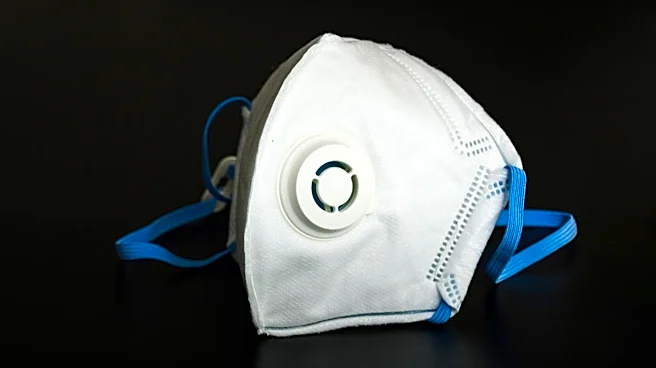









Breathing devices have a long history, evolving significantly over the centuries to meet the needs of various professions and situations. From ancient Greek sponges to the sophisticated gas masks of today, these devices have played a crucial role in protecting individuals from harmful airborne substances. This article explores the development of early breathing devices, highlighting key inventions and innovations that paved the way for modern gas masks.
Ancient and Early Innovations
The concept of using a device to aid breathing dates back to ancient Greece, where sponges were used as rudimentary gas masks. These sponges were likely moistened and held over the nose and mouth to filter out harmful particles. This simple yet effective method laid the groundwork for future innovations in respiratory protection.
In the late 18th century, Jean-François Pilâtre de Rozier invented a respirator in 1785. This device marked a significant advancement in the field of respiratory protection, as it was one of the first attempts to create a device specifically designed to filter air. Around the same time, Alexander von Humboldt introduced a primitive respirator for miners in 1799, showcasing the growing awareness of the need for protective breathing equipment in hazardous environments.
19th Century Developments
The 19th century saw further advancements in breathing devices, with several key inventions that contributed to the development of modern gas masks. In 1847, Lewis P. Haslett patented a device known as the "Inhaler or Lung Protector." This invention featured a nose and mouthpiece, a bulb-shaped filter for inhaling air, and a vent for exhaling, making it a forerunner to the modern gas mask.
Scottish chemist John Stenhouse and physicist John Tyndall also made significant contributions during this period. Stenhouse's work in 1854 and Tyndall's in the 1870s focused on improving the effectiveness of air filtration, further advancing the field of respiratory protection.
Early 20th Century Innovations
The early 20th century brought about notable innovations in breathing devices, particularly with the invention of the "Safety Hood and Smoke Protector" by Garrett Morgan in 1912. This device, patented in 1914, consisted of a cotton hood with hoses that allowed the wearer to breathe safer air from the floor. Moist sponges were inserted at the end of the hoses to enhance air filtration.
These early innovations laid the foundation for the development of modern gas masks, which became essential during World War I due to the extensive use of chemical weapons. The evolution of breathing devices demonstrates the ongoing efforts to protect individuals from harmful airborne substances, highlighting the importance of innovation in the field of respiratory protection.