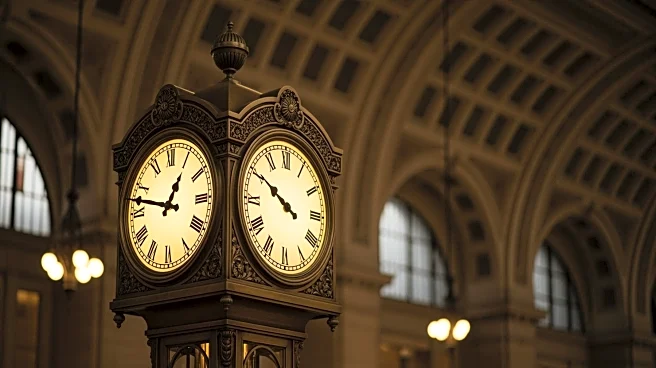




Grand Central Terminal is more than just a transportation hub; it is a cultural icon that has left an indelible mark on New York City and beyond. Since its opening in 1913, the terminal has become one of the world's most-visited tourist attractions, drawing millions of visitors each year. Its distinctive architecture and interior design have made it a symbol of the city's grandeur and elegance. This article explores the cultural and social impact
of Grand Central Terminal, highlighting its role in shaping the city's identity.
A Meeting Place
The Main Concourse of Grand Central Terminal is often used as a meeting place, serving as a central point for commuters and visitors alike. Its iconic four-sided brass clock, located at the center of the concourse, is a popular rendezvous spot and has become a symbol of the terminal itself. The concourse's vastness and grandeur make it an ideal location for gatherings, and it is frequently featured in films and television shows.
The terminal's role as a meeting place extends beyond its physical space. It has become a cultural touchstone, representing the hustle and bustle of New York City life. The terminal's ability to bring people together, whether for travel or social interaction, underscores its significance as a cultural landmark.
Influence on Media and Art
Grand Central Terminal has been a source of inspiration for artists, filmmakers, and writers. Its architectural beauty and historical significance have made it a popular setting for creative works. The terminal has appeared in numerous films, including iconic scenes that capture the essence of New York City. Its presence in popular media has helped cement its status as a cultural icon.
The terminal's influence extends to the art world, with its celestial ceiling and other architectural features serving as inspiration for various works. The Dining Concourse features rotating art exhibitions, showcasing the terminal's role as a venue for artistic expression. These exhibitions highlight the terminal's ability to blend functionality with cultural significance.
A Symbol of New York City
Grand Central Terminal is a symbol of New York City's resilience and grandeur. Its Beaux-Arts design and monumental spaces reflect the city's architectural heritage, while its role as a transportation hub underscores its importance in the city's infrastructure. The terminal's ability to adapt and evolve over the years, while maintaining its cultural significance, speaks to its enduring legacy.
As one of the world's ten most-visited tourist attractions, Grand Central Terminal continues to draw visitors from around the globe. Its cultural impact is evident in the way it shapes perceptions of New York City, serving as a reminder of the city's history and its role as a global metropolis. Grand Central Terminal remains a cherished landmark, embodying the spirit and vibrancy of New York City.