



Mountain biking has undergone significant technological advancements since its inception, transforming from modified cruiser bikes to highly specialized machines. This article delves into the key innovations that have shaped modern mountain biking, enhancing performance and expanding the sport's possibilities.
Suspension Systems
One of the most significant advancements in mountain biking technology is the development of suspension systems. Early mountain bikes were rigid,
making rough terrain challenging to navigate. The introduction of suspension forks in the 1990s revolutionized the sport, providing riders with increased comfort and control on bumpy trails.
Modern mountain bikes feature sophisticated suspension systems with adjustable travel and damping, allowing riders to fine-tune their bikes for different conditions. Full-suspension designs, which include both front and rear suspension, have become increasingly popular, offering improved traction and stability on technical descents.
Gearing and Drivetrains
Gearing systems have also seen significant improvements, with modern mountain bikes offering a wide range of options to suit various terrains. The introduction of the "1x" drivetrain, which uses a single chainring at the front and a wide-range cassette at the rear, has simplified gear selection and reduced weight.
This innovation has made mountain biking more accessible, as riders no longer need to worry about front derailleur adjustments. The 1x drivetrain is particularly popular in disciplines like cross-country and enduro, where efficiency and simplicity are paramount.
Braking Systems and Wheel Design
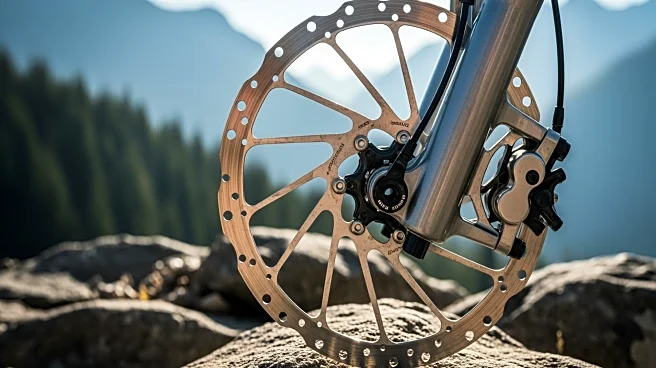
Braking technology has evolved dramatically, with hydraulic disc brakes becoming the standard for mountain bikes. These brakes offer superior stopping power and modulation compared to traditional rim brakes, making them ideal for the demands of off-road riding.
Wheel design has also seen advancements, with larger diameters and wider rims providing better traction and stability. The introduction of 29-inch wheels, known as "29ers," has been particularly impactful, offering improved rollover capabilities and a smoother ride on rough terrain. Additionally, tubeless tire systems have gained popularity, reducing the risk of punctures and allowing for lower tire pressures, which enhance grip and comfort.
The Future of Mountain Biking Technology
As technology continues to advance, the future of mountain biking looks promising. Innovations such as electronic shifting, smart suspension systems, and lightweight materials are likely to further enhance the performance and enjoyment of the sport. As mountain biking continues to grow in popularity, these technological advancements will play a crucial role in shaping its evolution and accessibility.