





Creating a book is not just about writing; it involves a meticulous process of design known as book layout. This process encompasses various elements such as page design, typography, and physical features like trim size and binding. The layout is crucial as it affects the readability and aesthetic appeal of the book, making it an essential part of book production.
Elements of Book Layout
Book layout involves several key components that work together to create a cohesive and
visually appealing product. Page design is one of the primary elements, focusing on how text and images are arranged on each page. This includes the use of headers, footers, and page margins, which help organize content and guide the reader's eye across the page. Typography, the art of arranging type, is another critical aspect. It involves selecting fonts, sizes, and spacing to ensure that the text is not only readable but also visually engaging.
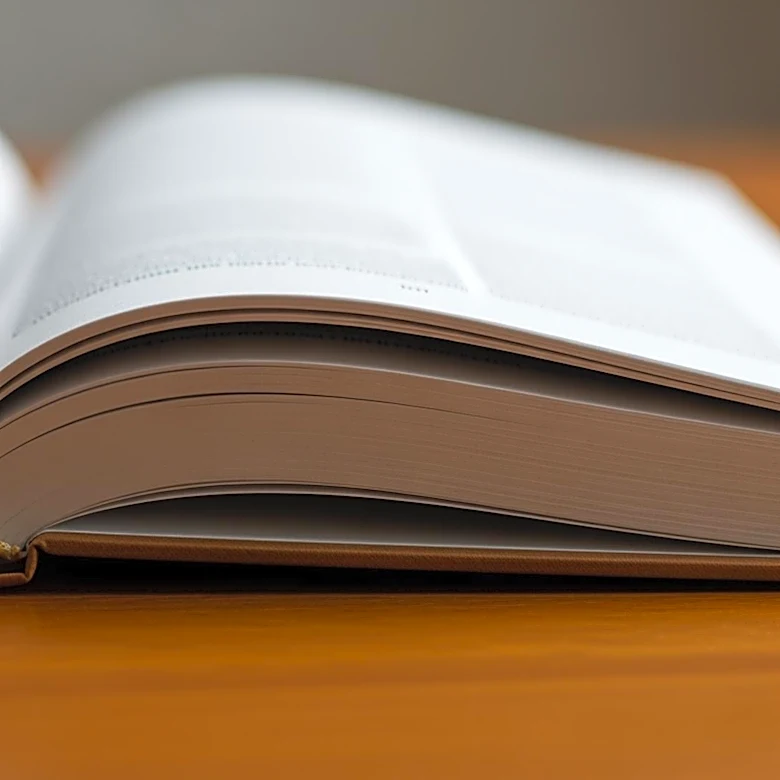
Physical features such as trim size and binding also play a significant role in book layout. Trim size refers to the dimensions of the book, which can affect how the book is perceived and handled by readers. Binding, the process of assembling the pages into a single volume, impacts the book's durability and usability. Together, these elements contribute to the overall look and feel of the book, making layout a vital consideration in book production.
The Design Process
The design process for a book layout begins after the manuscript is completed. This stage involves collaboration between authors, editors, and designers to ensure that the layout aligns with the book's content and target audience. Designers use various tools and software to create mock-ups and prototypes, experimenting with different layouts and styles to find the best fit.
Attention to detail is crucial during this process, as even small changes in layout can significantly impact the reader's experience. Designers must consider factors such as line length, spacing, and alignment to create a harmonious and readable text flow. The goal is to enhance the content without overshadowing it, ensuring that the layout complements the narrative and supports the reader's engagement with the book.
Importance of Book Layout
A well-designed book layout can greatly enhance the reader's experience, making the content more accessible and enjoyable. It helps convey the book's message effectively, guiding the reader through the text with ease. A thoughtful layout can also reflect the book's theme and tone, adding an extra layer of meaning to the reading experience.
In addition to its aesthetic and functional benefits, a good layout can also impact the book's marketability. A visually appealing book is more likely to attract potential readers and stand out in a crowded marketplace. Thus, investing time and effort into the book layout process is essential for authors and publishers who wish to create a successful and memorable book.