
Nursery rooms have long been a staple in homes, providing a dedicated space for infants and toddlers. Over the years, the design and purpose of these rooms have evolved significantly. From the simple,
functional spaces of the past to the more elaborate and thoughtfully designed nurseries of today, the changes reflect broader shifts in societal attitudes towards child-rearing and interior design.
Historical Beginnings
In the 19th century, nurseries were often the smallest bedrooms in a house, as infants required minimal space. However, this approach began to change as experts like Jane Ellen Panton advocated for more spacious and well-lit rooms. Panton emphasized the importance of children's comfort and health, suggesting that nurseries should not be relegated to small, out-of-the-way chambers. Instead, she recommended selecting rooms with ample sunlight and space to promote a healthy environment for children.
During the Edwardian era, nurseries for the wealthy and middle classes often consisted of a suite of rooms. These included a night nursery for sleeping and a day nursery for eating and playing. This setup reflected the growing recognition of the nursery as a multifunctional space, catering to various aspects of a child's daily life.
Design and Decoration
The design and decoration of nurseries have also seen significant changes. In the early days, nurseries were often sparsely decorated, with little attention paid to aesthetics. However, by the late 19th and early 20th centuries, there was a shift towards creating more visually stimulating environments for children. Authors like Mary Eliza Haweis highlighted the importance of visual stimulation for children's development, leading to the introduction of colorful patterned wallpapers and decorative elements.
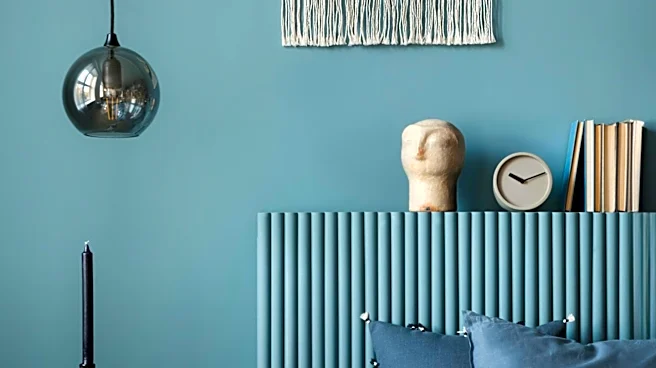
Jane Ellen Panton suggested using a blue color palette and simpler furniture to create a calming and child-friendly atmosphere. She also recommended including medical supplies in the nursery to address any ailments before a doctor could arrive. This focus on both aesthetics and practicality marked a significant shift in nursery design philosophy.
Modern Nurseries
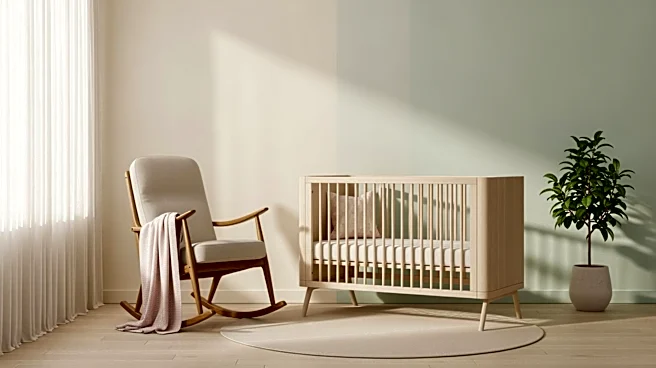
Today, nurseries continue to evolve, incorporating modern design principles and technology. A typical modern nursery includes essential items like a crib, changing table, and rocking chair, along with various care items such as baby powder and medicine. The emphasis is on creating a safe, comfortable, and nurturing environment for infants and toddlers.
The evolution of nursery design reflects broader changes in societal attitudes towards child-rearing and interior design. As our understanding of child development continues to grow, so too will the design and function of nursery rooms, ensuring they remain a vital part of the home.