






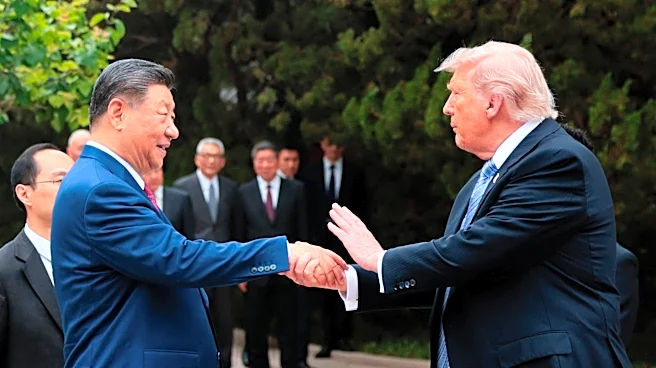
The Strategic Arms Limitation Talks (SALT I), signed during the Moscow Summit of 1972, represented a significant milestone in the effort to control nuclear arms between the United States and the Soviet Union. This agreement was a product of the intense negotiations that took place between President Richard Nixon and Soviet leader Leonid Brezhnev, marking a new era in arms control and international diplomacy. The SALT I agreement was instrumental in curbing
the arms race and laid the foundation for future arms control treaties.
The Genesis of SALT I
The SALT I agreement emerged from a period of heightened tensions during the Cold War, where both superpowers were engaged in an arms race that threatened global security. The need to address the proliferation of nuclear weapons became increasingly urgent, prompting both nations to engage in talks aimed at limiting their strategic arsenals.
The negotiations leading up to SALT I were complex and required significant diplomatic effort. The agreement was part of a broader strategy of détente, which sought to ease tensions and foster cooperation between the U.S. and the Soviet Union. The Moscow Summit provided the perfect backdrop for these discussions, as it brought together the leaders of both nations in a spirit of collaboration.
Key Provisions of the SALT I Agreement
The SALT I agreement consisted of two main components: the Interim Agreement on Strategic Offensive Arms and the Anti-Ballistic Missile (ABM) Treaty. The Interim Agreement aimed to freeze the number of strategic ballistic missile launchers at existing levels, effectively halting the expansion of nuclear arsenals.
The ABM Treaty, on the other hand, limited each side to only two sites for anti-ballistic missiles, with a maximum of 100 missiles each. This was a crucial step in reducing the threat of a nuclear first strike, as it prevented the development of extensive missile defense systems that could undermine the concept of mutually assured destruction.
The Impact and Legacy of SALT I
The signing of SALT I was a landmark achievement in the history of arms control. It demonstrated that even during periods of intense rivalry, dialogue and negotiation could lead to meaningful agreements that enhance global security. The agreement also set a precedent for future arms control negotiations, such as the SALT II talks and the eventual Strategic Arms Reduction Treaty (START).
SALT I's legacy is evident in its contribution to the reduction of nuclear tensions and its role in promoting a more stable international environment. It underscored the importance of arms control as a tool for maintaining peace and security, a principle that continues to guide international efforts to prevent the proliferation of nuclear weapons.