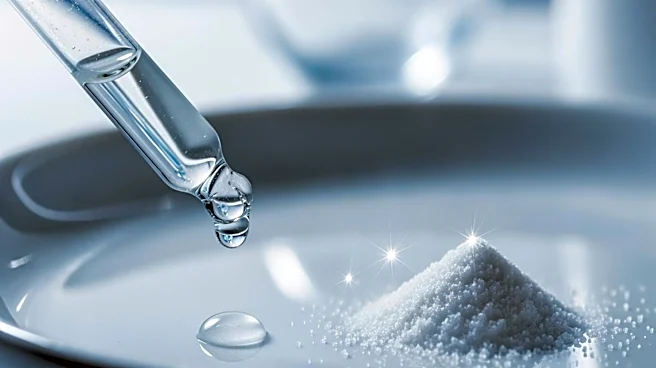

Kojic acid is a compound that has gained popularity in the cosmetics industry for its skin-lightening properties. Derived from fungi, particularly Aspergillus oryzae, kojic acid is used to inhibit melanin
formation, making it a sought-after ingredient in products aimed at reducing pigmentation and evening out skin tone. This article delves into the role of kojic acid in cosmetics, its mechanism of action, and its applications.
Mechanism of Action
Kojic acid functions as a mild inhibitor of pigment formation in plant and animal tissues. It achieves this by interfering with the production of melanin, the pigment responsible for skin color. Melanin is produced through a complex process involving the enzyme tyrosinase. Kojic acid inhibits this enzyme, thereby reducing melanin production and leading to lighter skin. This property makes it a valuable ingredient in products designed to treat hyperpigmentation, such as melasma and age spots.
In addition to its skin-lightening effects, kojic acid forms a bright red complex with ferric ions. This reaction is not only a fascinating chemical property but also contributes to its effectiveness in cosmetics. By chelating iron, kojic acid may help in reducing oxidative stress on the skin, which can further aid in maintaining a healthy complexion.
Applications in Cosmetics
Kojic acid is widely used in various cosmetic formulations, including creams, serums, and masks. Its ability to lighten skin makes it a popular choice for individuals looking to achieve a more uniform skin tone. Products containing kojic acid are often marketed as solutions for dark spots, acne scars, and other forms of hyperpigmentation.
Beyond its skin-lightening capabilities, kojic acid also possesses antibacterial and antifungal properties. These additional benefits make it a versatile ingredient in skincare products, offering protection against microbial infections while enhancing skin appearance. As a result, kojic acid is not only favored for its aesthetic benefits but also for its potential to improve skin health.
Safety and Efficacy
While kojic acid is effective in reducing pigmentation, its safety has been a topic of discussion. Some animal studies suggest that kojic acid may be weakly carcinogenic. However, it is not believed to reach carcinogenic thresholds in human skin, especially at the concentrations used in cosmetics. Regulatory bodies have deemed kojic acid safe for use in cosmetic products, provided it is used within recommended limits.
Consumers are advised to use products containing kojic acid as directed and to be mindful of any skin reactions. As with any active ingredient, patch testing is recommended to ensure compatibility with individual skin types. Overall, kojic acid remains a popular and effective choice for those seeking to address pigmentation issues in their skincare routine.