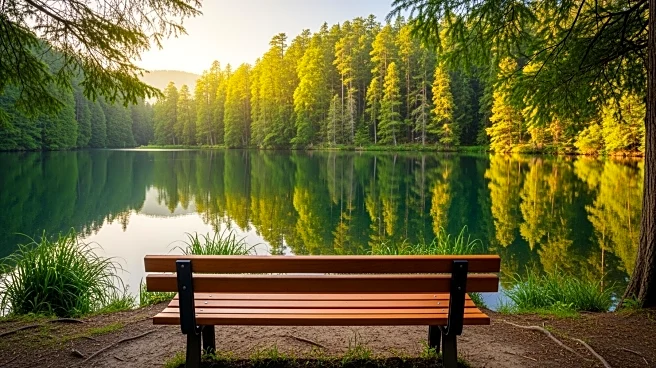




National parks serve as sanctuaries for nature and as places for people to connect with the environment. They play a crucial role in conserving biodiversity while providing recreational opportunities for millions of visitors each year. This article explores how national parks balance these dual objectives and the challenges they face in maintaining this equilibrium.
Conservation Priorities and Ecological Integrity
At the heart of national parks is the commitment to preserving ecological integrity.
These protected areas are home to diverse ecosystems, including plant and animal species that are often rare or endangered. The International Union for Conservation of Nature (IUCN) defines national parks as areas where ecosystems remain largely unaltered by human activity, highlighting their importance for scientific research and education.
To maintain ecological integrity, national parks implement various conservation strategies. These include habitat restoration, species monitoring, and the control of invasive species. Park authorities also work to mitigate the impacts of climate change, which poses a significant threat to the delicate balance of these ecosystems.
Visitor Enjoyment and Recreational Opportunities
While conservation is a primary focus, national parks are also designed for public enjoyment. They offer a wide range of recreational activities, from hiking and camping to wildlife viewing and educational programs. These experiences allow visitors to connect with nature and gain a deeper appreciation for the environment.
To accommodate the growing number of visitors, national parks have developed infrastructure such as trails, visitor centers, and campgrounds. However, this development must be carefully managed to minimize environmental impact. Park authorities often implement measures to control visitor numbers and reduce the ecological footprint of recreational activities.
Balancing Conservation and Recreation
The challenge for national parks is to balance conservation efforts with the demand for recreational access. This requires a nuanced approach that considers the needs of both the environment and the public. Park management plans often include zoning strategies that designate specific areas for conservation and others for recreation.
Public education is also a key component of this balance. By raising awareness about the importance of conservation, national parks can encourage responsible behavior among visitors. This includes promoting Leave No Trace principles and providing information on how to minimize environmental impact.
In conclusion, national parks play a vital role in both conservation and recreation. By carefully managing these areas, we can ensure that they continue to serve as havens for biodiversity and as places for people to experience the wonders of nature.