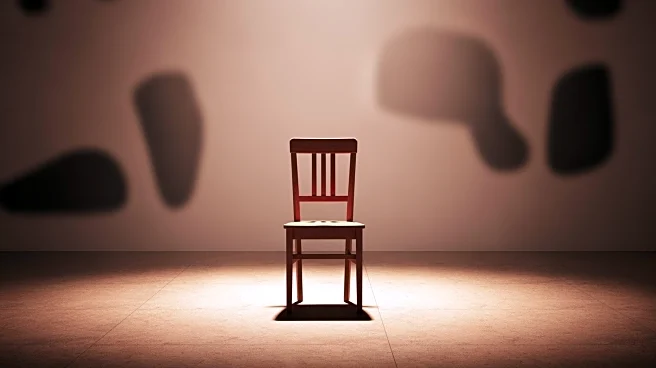




Marlen Haushofer's 'The Wall' is a novel rich with symbolism, with the invisible wall serving as a central metaphor. This barrier not only isolates the protagonist from the outside world but also represents deeper themes of separation, introspection, and the human condition. Through this lens, the novel invites readers to reflect on the boundaries that define and confine us.
The Wall as a Metaphor for Isolation
The invisible wall in Haushofer's novel is a powerful symbol of isolation.
It physically separates the protagonist from the rest of the world, forcing her into a solitary existence. This separation is not just physical but also emotional and psychological, as the protagonist must come to terms with her new reality.
The wall can be seen as a metaphor for the barriers that exist in our own lives, whether they are self-imposed or external. It challenges the protagonist to confront her fears and insecurities, as well as the limitations of her own mind. In this way, the wall serves as a catalyst for personal growth and self-discovery.
The Wall and the Human Condition
Beyond its role as a symbol of isolation, the wall also represents the human condition. It highlights the fragility of life and the unpredictability of the world around us. The protagonist's struggle to survive in her new environment mirrors the challenges we all face in navigating the complexities of life.
The wall forces the protagonist to rely on her own resourcefulness and resilience, emphasizing the importance of adaptability and perseverance. It also underscores the interconnectedness of all living things, as the protagonist forms bonds with the animals that share her isolated world. These relationships provide her with a sense of purpose and connection, even in the face of overwhelming loneliness.
Introspection and Self-Discovery
The wall also serves as a symbol of introspection and self-discovery. Cut off from the distractions of the outside world, the protagonist is forced to turn inward and examine her own thoughts and emotions. This process of self-reflection allows her to gain a deeper understanding of herself and her place in the world.
Through her journey, the protagonist learns to appreciate the simple pleasures of life and the beauty of the natural world. She discovers a sense of peace and contentment in her solitude, finding meaning and purpose in her daily routine. The wall, in this sense, becomes a tool for personal transformation and enlightenment.
In conclusion, the invisible wall in Marlen Haushofer's novel is a multifaceted symbol that represents isolation, the human condition, and the journey of self-discovery. Through this powerful metaphor, the novel invites readers to reflect on the boundaries that shape our lives and the potential for growth and transformation that lies within each of us.