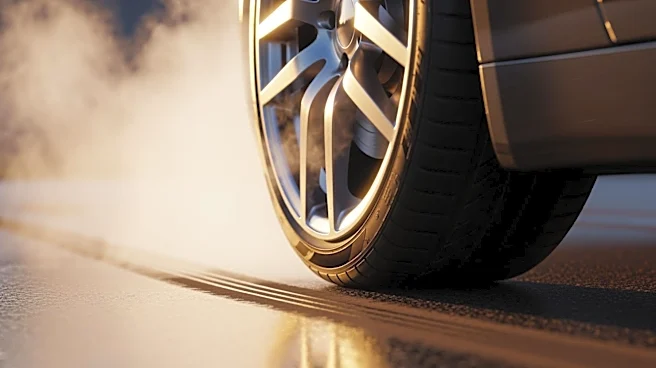




Vehicle burnouts, a thrilling display of power and smoke, have a rich history rooted in the world of drag racing. From their inception in the mid-1960s to their widespread popularity today, burnouts have evolved into a significant aspect of motorsport culture. This article traces the historical development and milestones of vehicle burnouts, highlighting key events and figures that shaped their journey.
Early Beginnings
The origins of vehicle burnouts can be traced
back to Ted Edwards Drag Strip in Fairburn, Georgia, in the mid-1960s. Buddy Houston, his brother Melson, and David Tatum II pioneered the practice by using water and bleach to break the tires loose and spin them, creating heat and cleaning the tires before a race. This technique quickly gained traction among drag racers, who recognized its practical benefits for improving tire performance.
The practice of burnouts spread across the United States, gaining popularity in California, where the sport became more organized. The visual spectacle of smoke and spinning tires captivated audiences, leading to burnouts becoming a staple in drag racing events.
Milestones in Burnout History
One of the significant milestones in burnout history occurred in 1969 at the Hot Rod Magazine Championship Drag Races in Riverside, California. This event marked the first time burnouts were performed in the National Hot Rod Association (NHRA), solidifying their place in competitive racing.
Don Garlits, a prominent figure in drag racing, was the first to perform burnouts across the starting line, a practice that later became standard. His innovation contributed to the evolution of burnouts as both a technical maneuver and a crowd-pleasing spectacle.
Burnouts as Competition and Entertainment
Over time, burnouts evolved from a practical racing technique to a form of competition and entertainment in their own right. Burnout contests emerged, judged on crowd response, style, and attitude. These contests are particularly popular in Australia and North America, where cars may be sponsored or purpose-built specifically for burnouts.
The cultural significance of burnouts is evident in their role as a celebratory act in motorsport. Winning drivers in NASCAR often perform burnouts to celebrate their victory, showcasing the practice's enduring appeal and tradition.
The history of vehicle burnouts is a testament to their evolution from a racing technique to a cultural phenomenon. As a blend of art, science, and entertainment, burnouts continue to captivate audiences and inspire automotive enthusiasts around the world.