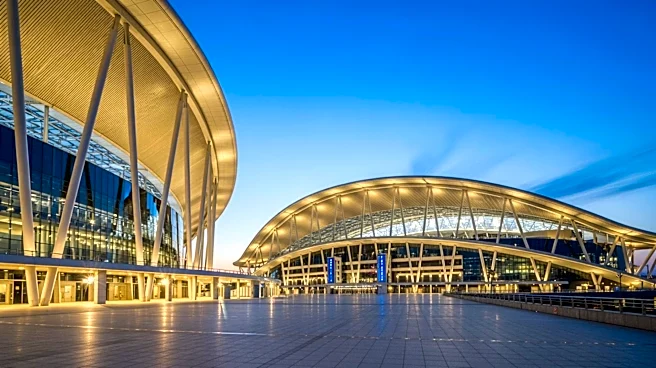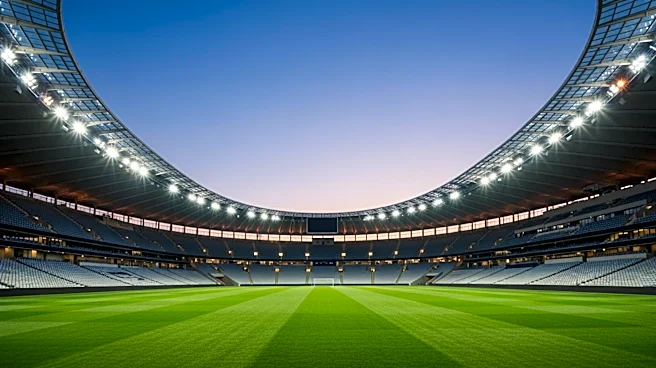


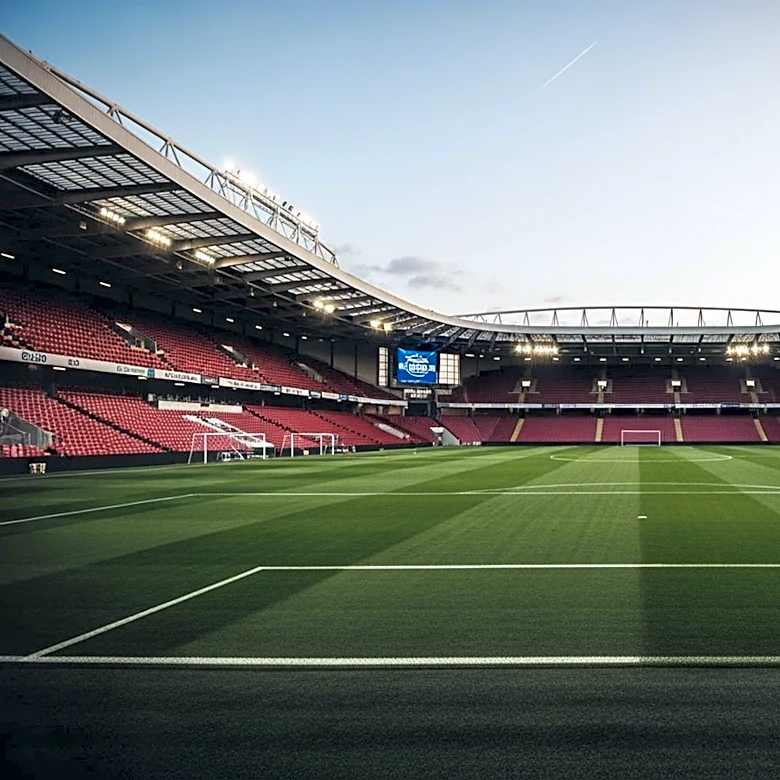




Estadio Azteca, located in the heart of Mexico City, is more than just a sports venue; it is a cultural and sporting icon. Known for its massive capacity and historical significance, the stadium has played a pivotal role in both the sporting and cultural landscapes of Mexico. From hosting legendary soccer matches to being a venue for major cultural events, Estadio Azteca stands as a symbol of Mexico's rich heritage and its passion for sports and entertainment.
A Hub for Iconic Soccer Moments
Estadio Azteca is renowned for its association with some of the most iconic moments in soccer history. It is the only stadium in the world to have hosted two FIFA World Cup finals. In 1970, it witnessed Brazil's triumph over Italy, with Pelé leading his team to victory. Sixteen years later, in 1986, it was the stage for Argentina's win against West Germany, with Diego Maradona's legendary performance.
These events have cemented Estadio Azteca's status as a hallowed ground for soccer enthusiasts. The stadium's ability to host such high-profile matches is a testament to its world-class facilities and the passion for soccer that is deeply ingrained in Mexican culture. The upcoming 2026 FIFA World Cup will see Estadio Azteca hosting matches once again, including the opening match, further solidifying its place in soccer history.
A Venue for Cultural Celebrations
Beyond sports, Estadio Azteca has been a venue for numerous cultural events, attracting large crowds and showcasing its versatility. It has hosted concerts by international artists such as Michael Jackson, U2, and Paul McCartney, drawing music fans from across the globe. These events highlight the stadium's role as a cultural hub, where people come together to celebrate music and entertainment.
The stadium has also been used for political and religious gatherings, including appearances by Pope John Paul II and conventions by Jehovah's Witnesses. These events underscore the stadium's significance as a communal space that brings people together for various purposes, reflecting the diverse cultural fabric of Mexico.
The Legacy of Estadio Azteca
Estadio Azteca's legacy is defined by its ability to host world-class events and its role as a cultural and social gathering place. Its iconic status is a source of pride for Mexico, symbolizing the country's rich history and its contributions to the world of sports and entertainment. As it prepares to host the 2026 FIFA World Cup, Estadio Azteca continues to be a beacon of cultural and sporting excellence, inspiring future generations and leaving an indelible mark on the global stage.