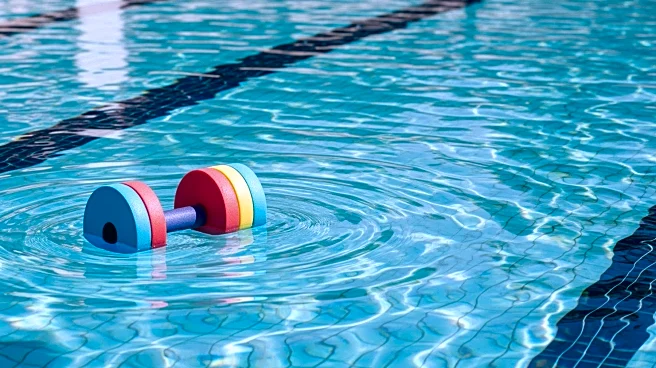

Water aerobics has evolved significantly over the years, becoming a popular form of exercise that combines the benefits of aerobic and resistance training. This fitness activity, performed in water, has seen
various adaptations and innovations, making it accessible and enjoyable for a wide range of participants. In this article, we will explore the historical development of water aerobics and its various forms.
Origins and Development
The concept of exercising in water dates back to ancient times, but it wasn't until the 20th century that water aerobics began to gain popularity as a structured fitness activity. Initially, water aerobics was primarily used for rehabilitation purposes, taking advantage of water's buoyancy to reduce stress on the joints and facilitate movement for those recovering from injuries.
As the benefits of water-based exercise became more widely recognized, water aerobics classes started to emerge in community pools and fitness centers. These classes were designed to provide a full-body workout, focusing on aerobic endurance and resistance training. The enjoyable atmosphere, often enhanced by music, attracted participants of all ages and fitness levels.
Variations and Innovations
Over time, water aerobics has seen numerous variations and innovations, expanding its appeal and effectiveness. Different forms of water aerobics have been developed to cater to specific interests and fitness goals. Aqua Zumba, for example, combines the energetic dance moves of Zumba with the resistance of water, creating a fun and dynamic workout.
Other variations include water yoga, which incorporates the principles of yoga into a water-based setting, and aqua jogging, which simulates running in water to enhance cardiovascular fitness. These adaptations have made water aerobics a versatile exercise option, allowing participants to choose the format that best suits their preferences and needs.
Modern Trends and Accessibility
In recent years, new aquatic formats have emerged, further diversifying the options available to water aerobics enthusiasts. Aqua cycling and water pole dancing are examples of innovative approaches that have entered the exercise world, offering unique ways to engage in water-based fitness.
The accessibility of water aerobics is one of its key strengths. Participants do not need to be strong swimmers to enjoy the benefits, as most exercises are performed vertically in waist-deep or deeper water. This makes water aerobics an inclusive activity, suitable for individuals with varying levels of fitness and mobility.
In conclusion, water aerobics has evolved from a rehabilitation tool to a popular fitness activity with numerous variations. Its adaptability and accessibility have contributed to its widespread appeal, making it a valuable addition to the exercise routines of people of all ages.