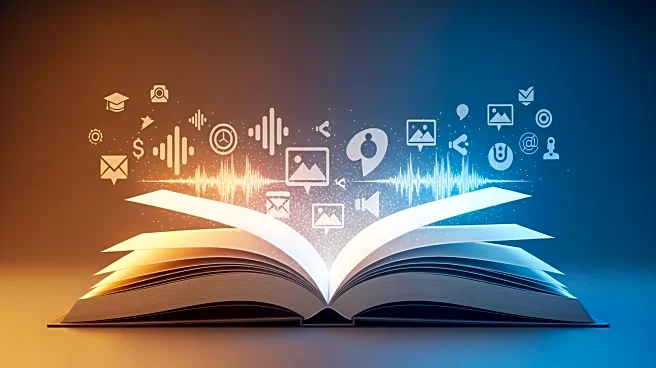

Multimedia has become an integral part of modern education, transforming traditional teaching methods and enhancing the learning experience. By combining various forms of media, such as text, audio, images,
and video, educators can create dynamic and interactive environments that cater to diverse learning styles. This approach not only enriches the educational experience but also improves student engagement and comprehension.
Enhancing Learning Environments
The use of multimedia in education allows for the creation of computer-based training courses and reference materials that are more engaging than conventional methods. These courses often include a series of presentations, texts, and illustrations that provide information in multiple formats, catering to different learning preferences. By incorporating multimedia elements, educators can create richer and more authentic contexts for learning, which can lead to increased knowledge retention and confidence among students.
Multimedia also facilitates interaction between online users, allowing for collaborative learning experiences. This interaction is particularly beneficial in virtual learning environments, where students can engage with peers and instructors in real-time, fostering a sense of community and shared learning. The integration of multimedia tools in education has proven to be effective in enhancing understanding of conceptual materials, especially for novice learners.
Benefits of Multimedia Learning
One of the key benefits of multimedia learning is its ability to manage cognitive load, ensuring that students are not overwhelmed by information. By segmenting content and allowing for user-paced learning, multimedia tools help students process information more effectively. This approach is particularly advantageous in subjects that require complex problem-solving skills, as it allows learners to focus on understanding and applying concepts rather than memorizing facts.
Multimedia learning also supports the development of critical thinking skills, as students are encouraged to analyze and evaluate information presented in various formats. This process helps learners develop a deeper understanding of the subject matter and fosters the ability to apply knowledge in real-world situations. Additionally, multimedia tools can replicate or even enhance traditional classroom dynamics, providing students with a more engaging and interactive learning experience.
Future Directions
As technology continues to evolve, the role of multimedia in education is likely to expand further. Educators are increasingly adopting multimedia tools to create personalized learning experiences that cater to individual student needs. This trend is expected to continue, with advancements in technology enabling even more innovative approaches to teaching and learning.
The integration of multimedia in education has already proven to be a powerful tool for enhancing student engagement and comprehension. As educators continue to explore new ways to leverage multimedia, the potential for improving educational outcomes remains significant. By embracing multimedia learning, educators can create dynamic and inclusive environments that support the diverse needs of today's learners.